

 Acoustical Ceiling Tiles
Latest Posts
Measuring Acoustic Performance: How Is Sound Quality Determined?
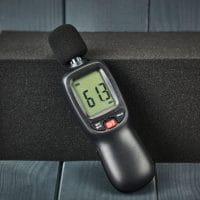
Acoustic performance isn’t defined by a single rating. Professionals use measurements such as RT60, SPL, frequency response, STI, NRC, STC, and IIC to evaluate how sound behaves within a room and between spaces. Understanding what each metric measures helps architects, designers, and building owners identify acoustic problems and choose solutions suited to the space’s intended use.

Speech Privacy in Office Design: How to Control Conversations Without Killing Collaboration
Speech privacy keeps workplace conversations from being clearly understood outside their intended area. Learn how office layouts, sound isolation, sound masking, acoustic treatments, doors, ceilings, and construction details work together to support collaboration and confidentiality.

Conference Room Acoustics: How to Design Meeting Spaces People Can Actually Hear In
Good conference room acoustics make speech clearer for people at the table and those joining remotely. Learn what causes echo and reverberation, how walls, ceilings, glass, and AV systems affect sound, and how the right acoustic treatments can create a better meeting environment.

The Role of Acoustics in Wellness and Mental Health
Sound has a major influence on how comfortable, focused, and productive people feel in a space. Learn how better acoustic design can reduce distracting noise, control reverberation, improve speech clarity and privacy, and create environments that better support everyday wellbeing.
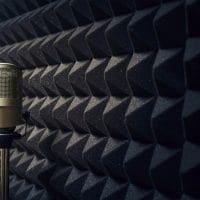
Psychoacoustics: How We Perceive Sound vs. How It’s Measured
Learn why decibels, NRC, STC, reverberation, and frequency do not always match how people experience sound in a room. Explore how speech, low frequencies, echo, absorption, soundproofing, and masking influence sound perception and acoustic comfort.

How to Improve Café Noise: Soundproofing and Acoustic Treatment Tips for Coffee Shops
Learn how cafés can reduce echo, control noise, and create a more comfortable space with smart acoustic treatment and soundproofing. Discover how to improve coffee shop acoustics with acoustic panels, ceiling treatments, layout strategies, and soundproofing solutions that help cafés feel lively, balanced, and comfortable.
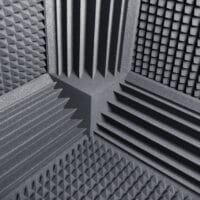
Controlling Bass Frequencies: Why Low-End Sound Is So Hard to Tame
Low-end sound gives audio its weight and impact, but it can also cause boominess, vibration, and uneven bass. This guide explains what low end means, why bass is difficult to control, and how bass traps and acoustic treatment help create a better-sounding room.
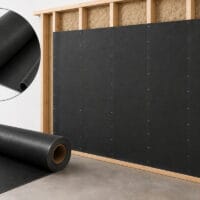
What Is Mass Loaded Vinyl (MLV) and How Does It Work?
Mass loaded vinyl, or MLV, is a dense, flexible acoustic barrier used to reduce airborne sound transmission through walls, ceilings, and enclosures. Learn how it works, where it performs best, where it falls short, and why it should be part of a complete soundproofing strategy.

When Sound Absorption Isn’t Enough: Why You Might Need Diffusion or Isolation
Sound absorption panels are ideal for reducing echo, reverberation, and harsh reflections inside a room. But not every acoustic issue can be solved with absorption. Some spaces need diffusion, isolation, or a layered acoustic strategy based on the true source of the problem.
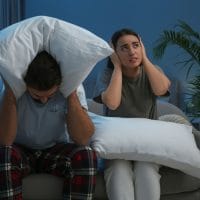
Real Estate Soundproofing: How Soundproofing Can Increase Property Value and Tenant Satisfaction
Real estate soundproofing helps property owners, developers, and managers reduce noise complaints, improve tenant satisfaction, and protect long-term property value through smarter acoustic upgrades.