

 Acoustical Ceiling Tiles
Enhancing Acoustics in Museums & Art Galleries
A museum can feel surprisingly loud despite being one of the quietest public spaces people visit. Guests pause to discuss exhibits, guided tours stop at popular displays, footsteps echo across hard floors, and audio from interactive displays drift into adjacent galleries. None of those sounds may seem disruptive on their own, but together they can compete with the experience the museum is trying to create.
Museum acoustics are about much more than making the space quieter. The goal is to help visitors hear what they’re supposed to hear, reduce distractions between exhibits, and preserve the atmosphere each gallery is meant to create. Every decision, from wall finishes to exhibit layout to audiovisual systems, shapes how people experience the collection.
Finding that balance isn’t always easy. Museums have unique architectural and aesthetic requirements that limit where acoustic treatments can go, making thoughtful planning just as important as the treatment products themselves.
Why Acoustics Matter in Museums and Art Galleries
Most museum experiences begin with visuals, but they are shaped just as much by what visitors hear.
In a quiet gallery, conversations remain private, guides can speak naturally, and visitors can focus on the artwork instead of the room around it. In a noisier environment, reflected sound begins to blur together until individual conversations become difficult to separate. Even exhibits that don’t rely on audio can become harder to enjoy when the room feels busy.
Good art gallery acoustics support nearly every part of the visitor experience by:
- Improving comfort during longer visits
- Making guided tours and presentations easier to understand
- Supporting accessibility through better speech clarity
- Keeping multimedia exhibits clear and intelligible
- Reinforcing the atmosphere curators intend visitors to experience
Achieving those goals isn’t simply a matter of adding absorption wherever space is available. Museums have architectural features that make sound behave differently than it would in many commercial buildings.
What Makes Museum Acoustics Challenging?
Many of the features that make museums visually impressive also make them acoustically demanding.
Large galleries, soaring ceilings, polished concrete, stone, glass, drywall, and hardwood surfaces all reflect sound efficiently. Instead of being absorbed, conversations and footsteps continue reflecting throughout the space. Open floor plans add another layer of complexity by allowing sound to travel from one exhibit into the next.
Occupancy changes throughout the day create another challenge. An empty gallery may sound dramatically different from the same room filled with hundreds of visitors. Temporary exhibitions can also change circulation patterns, introduce new audiovisual components, or alter how people gather around displays, making permanent acoustic planning more difficult.
Those architectural realities don’t automatically create a poor experience, but they do create conditions where sound becomes harder to control. The real question is how those conditions affect the people walking through the space.
How Sound Affects the Visitor Experience
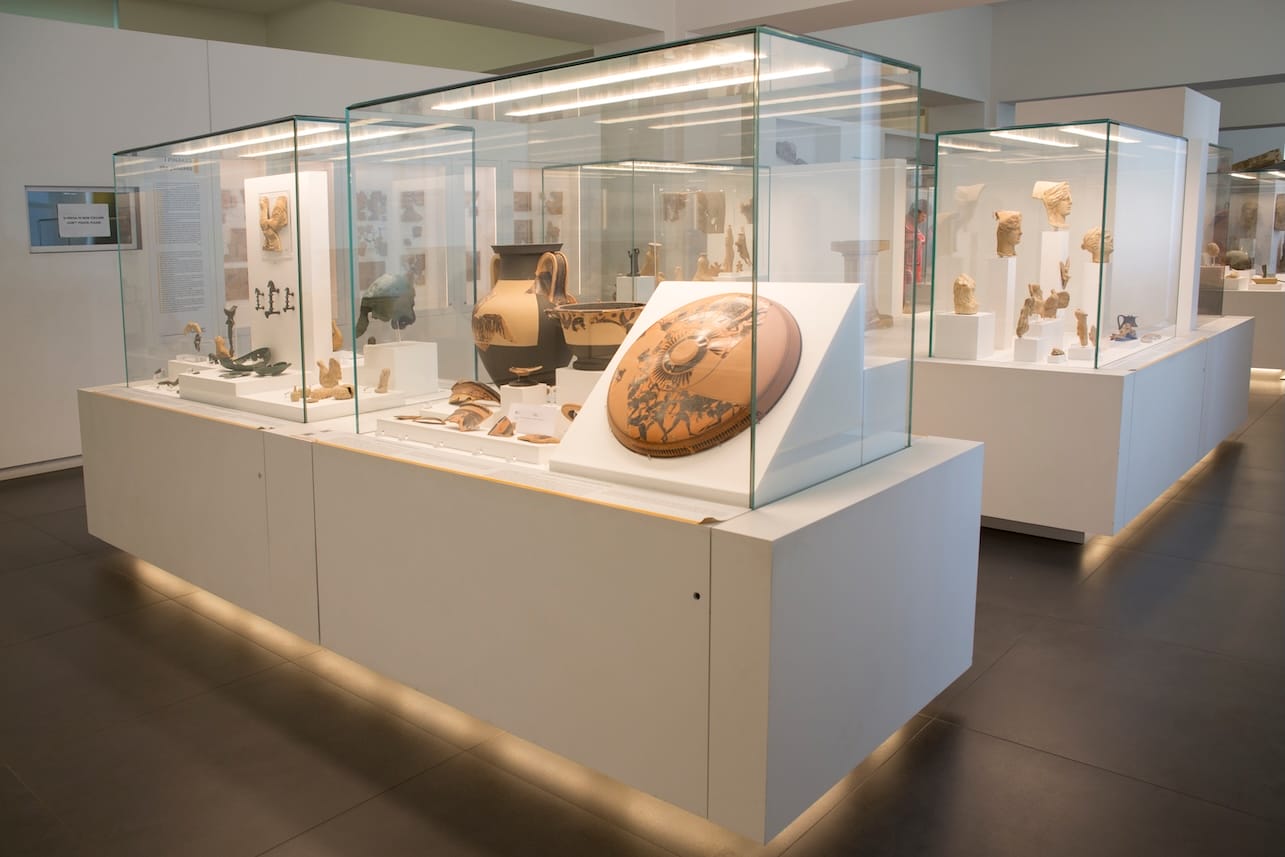
Visitors rarely think about acoustics directly. They simply notice when a museum feels comfortable – and when it doesn’t
Long reverberation in museums causes conversations, footsteps, HVAC systems, and exhibit audio to overlap until the room feels louder than its actual sound level suggests. Guided tours become more difficult to follow, narration competes with background activity, and visitors expend more effort understanding speech instead of engaging with the exhibits.
Over the course of an afternoon, that constant effort can become mentally tiring. Good museum speech intelligibility reduces that listening fatigue by allowing speech to remain clear without requiring guides or visitors to continually raise their voices.
The desired atmosphere also changes from one exhibit to another. A fine art gallery often benefits from a quieter, more contemplative environment, while a science museum or children’s exhibit may intentionally embrace more activity without allowing it to become overwhelming.
Those differences become even more noticeable as museums incorporate increasingly sophisticated audiovisual experiences.
Multimedia and Interactive Exhibits Create New Acoustic Challenges
Interactive displays have transformed modern museums, but they’ve also introduced entirely new acoustic considerations.
Video walls, listening stations, immersive projections, and sound-based artwork all contribute to richer experiences. At the same time, they create multiple sound sources that can easily compete with one another if they aren’t carefully coordinated. Effective museum audio solutions focus on making each exhibit easy to hear without allowing it to overwhelm neighboring displays.
Successful interactive exhibit acoustics usually depend on several strategies working together:
- Orient exhibits to minimize direct sound spill.
- Position speakers toward intended listening areas.
- Add absorption around reflective surfaces.
- Separate louder experiences form quieter galleries whenever practical.
- Consider sound isolation where particularly noisy exhibits share adjacent spaces.
The goal isn’t simply quieter exhibits. It’s ensuring each installation has enough acoustic separation that visitors experience the intended multimedia exhibit sound without distractions from nearby displays. That same principle applies throughout the building whenever multiple sound sources occupy the same space.
Once competing audio sources are under control, the attention shifts to another factor that influences nearly every gallery: reflected sound within the room itself.
Reverberation and Speech Intelligibility in Galleries
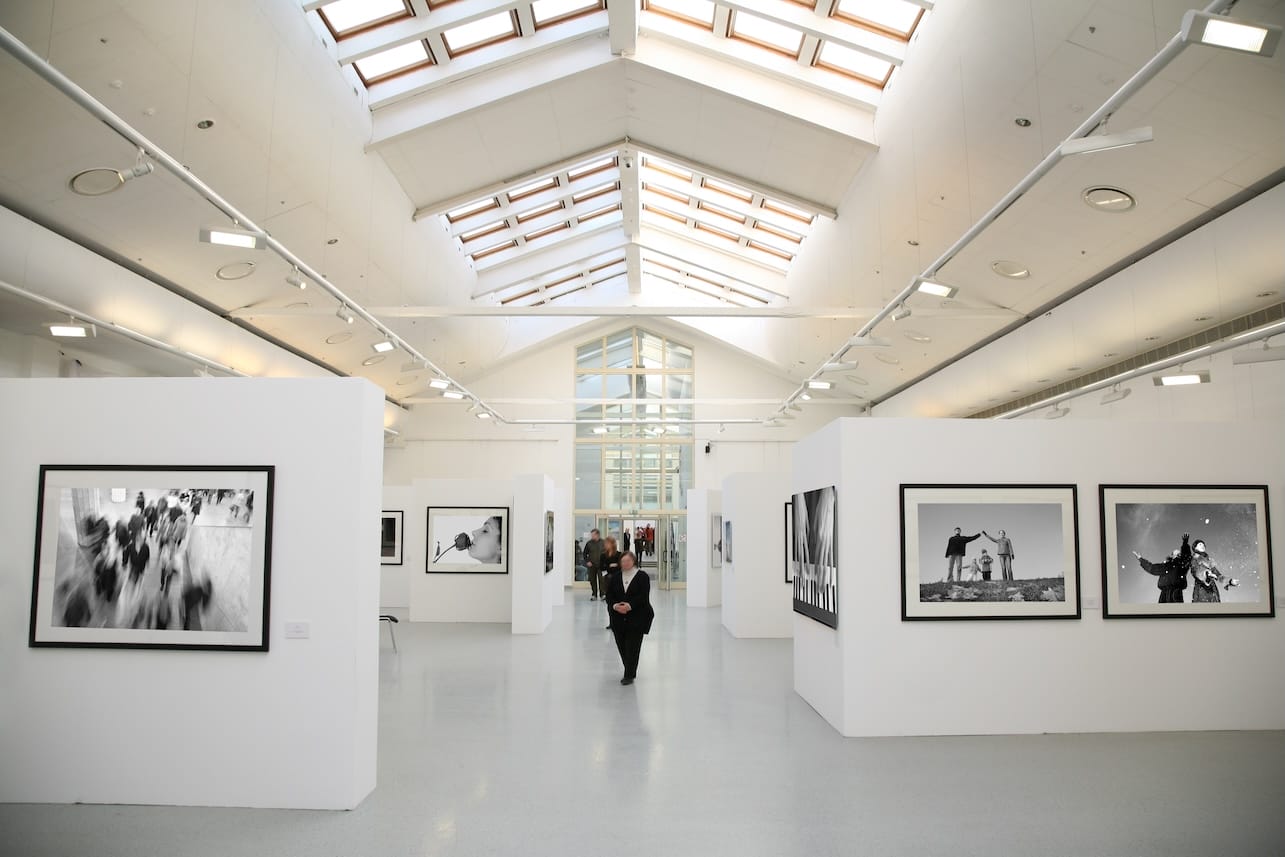
Visitors rarely notice reverberation itself. They notice when conversations begin running together, exhibit narration becomes harder to follow, or guided tours have to compete with the room around them.
That’s because reflected sound lingers after it’s produced. As those reflections build, speech loses clarity even when nobody is speaking loudly. Improving museum speech intelligibility isn’t about removing every reflection – it’s about reducing the ones that interfere with communication while preserving the atmosphere each space is meant to create.
The right balance depends on the gallery. A large sculpture hall, an intimate exhibition space, and an immersive multimedia exhibit all have different acoustic goals, so there’s no universal reverberation target that fits every space.
Once reflected sound becomes the focus, the next question is where those reflections should be interrupted.
Where Should Acoustic Treatment Go in a Museum?
The most effective acoustic treatment for museums targets the surfaces creating the strongest reflections.
Because museums rely on wall space for artwork, graphics, and changing exhibits, treatment often shifts toward ceilings, architectural transition areas, multimedia zones, lecture spaces, and other locations where sound naturally accumulates. Addressing these reflection paths with thoughtful acoustic wall treatment improves sound absorption in galleries without sacrificing valuable display space.
Knowing where treatment belongs also makes product selection much simpler because different areas of the museum have different design priorities.
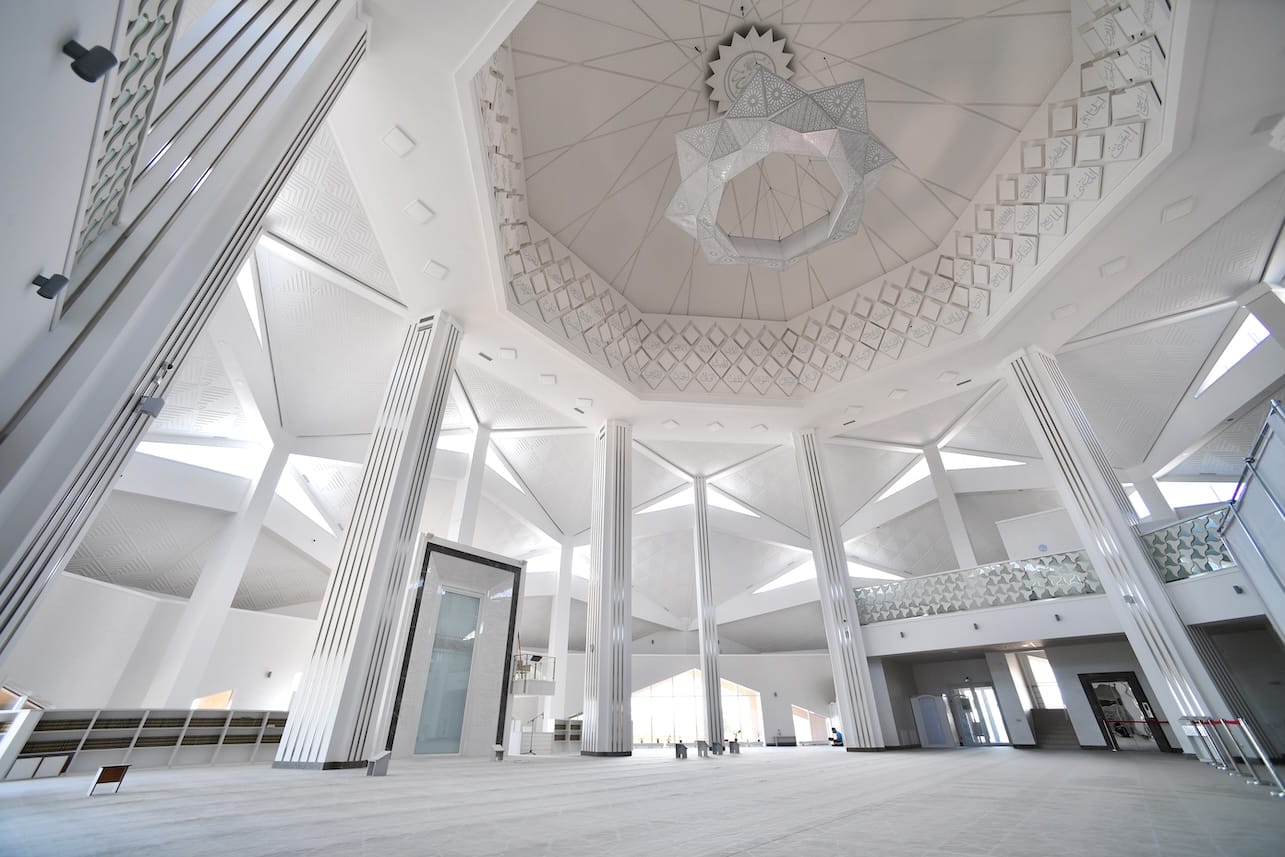
Best Acoustic Products for Museums and Art Galleries
The best acoustic panels for museums solve the acoustic problem while supporting the visual goals of the exhibit.
When treatment should disappear into the background, paintable Fabrisorb™ Panels provide broadband absorption while blending into the surrounding finishes. WallMate® systems offer a similar approach while allowing larger custom wall installations. Both are excellent choices for museum acoustic panels that improve performance without competing with the artwork.
Where wall space is limited, Poly Max™ wall and ceiling products help control reverberation without occupying valuable exhibit surfaces. While acoustic ceiling clouds can be highly effective in open atriums and similar spaces, they’re rarely practical in traditional galleries because sprinkler requirements often limit their use.
For museums where the treatment is intended to complement the architecture, Wood Wool panels introduce texture and pattern while reducing echo, while Silk Metal™ offers a clean micro-perforated finish for contemporary interiors where fabric-wrapped panels may not fit the design language.
The products may differ, but the decision process stays the same: understand how the space is used, identify the acoustic challenge, and choose a solution that supports both the visitor experience and the architecture.
How to Integrate Acoustic Treatment Without Distracting From the Art
The best acoustic treatments often go unnoticed because they support the exhibit instead of competing with it.
Some galleries benefit from paintable panels that blend into surrounding finishes, while others use custom acoustic art panels to turn absorption into part of the visitor experience. Architectural options like Wood Wool and Silk Metal can complement contemporary interiors without looking like traditional acoustic products.
The key is coordinating acoustics with exhibit layouts, lighting, and architectural finishes early in the design process. When those decisions happen together, treatments feel intentional rather than added after the fact, allowing acoustics to improve the space without changing its visual character.
That same planning process also helps determine whether the project needs sound absorption, sound isolation, or both.

Sound Absorption vs. Sound Isolation in Museum Design
These terms, sound absorption and sound isolation, are often used interchangeably, but they solve different problems.
Sound absorption reduces echo within a room, improving speech clarity and controlling reverberation in museums. Museum soundproofing, or sound isolation, limits sound traveling between rooms or adjacent exhibit spaces and typically requires construction-based assemblies rather than surface-mounted finishes.
Most galleries benefit primarily from absorption. However, multimedia theaters, event spaces, mechanical rooms, or especially loud interactive exhibits may require additional isolation to keep sound from affecting neighboring displays.
Knowing which problem you’re solving makes it much easier to choose the right solution.
Acoustic Design for Different Museum Spaces
Effective exhibition acoustics begin with recognizing that every area of a museum serves a different purpose, so acoustic priorities should follow the function of the space rather than a single design standard.
- Traditional galleries prioritize unobtrusive absorption that supports quiet viewing.
- Interactive exhibits need stronger exhibit sound control to keep experiences from overlapping.
- Children’s museums balance lively activity with controlled reverberation.
- Lecture spaces place greater emphasis on speech intelligibility.
- Lobbies, cafes, and circulation areas benefit from durable treatments that reduce overall noise while standing up to higher visitor traffic.
Designing around how each space is used creates more effective gallery noise reduction than applying the same treatment throughout the building.
Once those priorities are established, the remaining decisions become much easier to make during design.
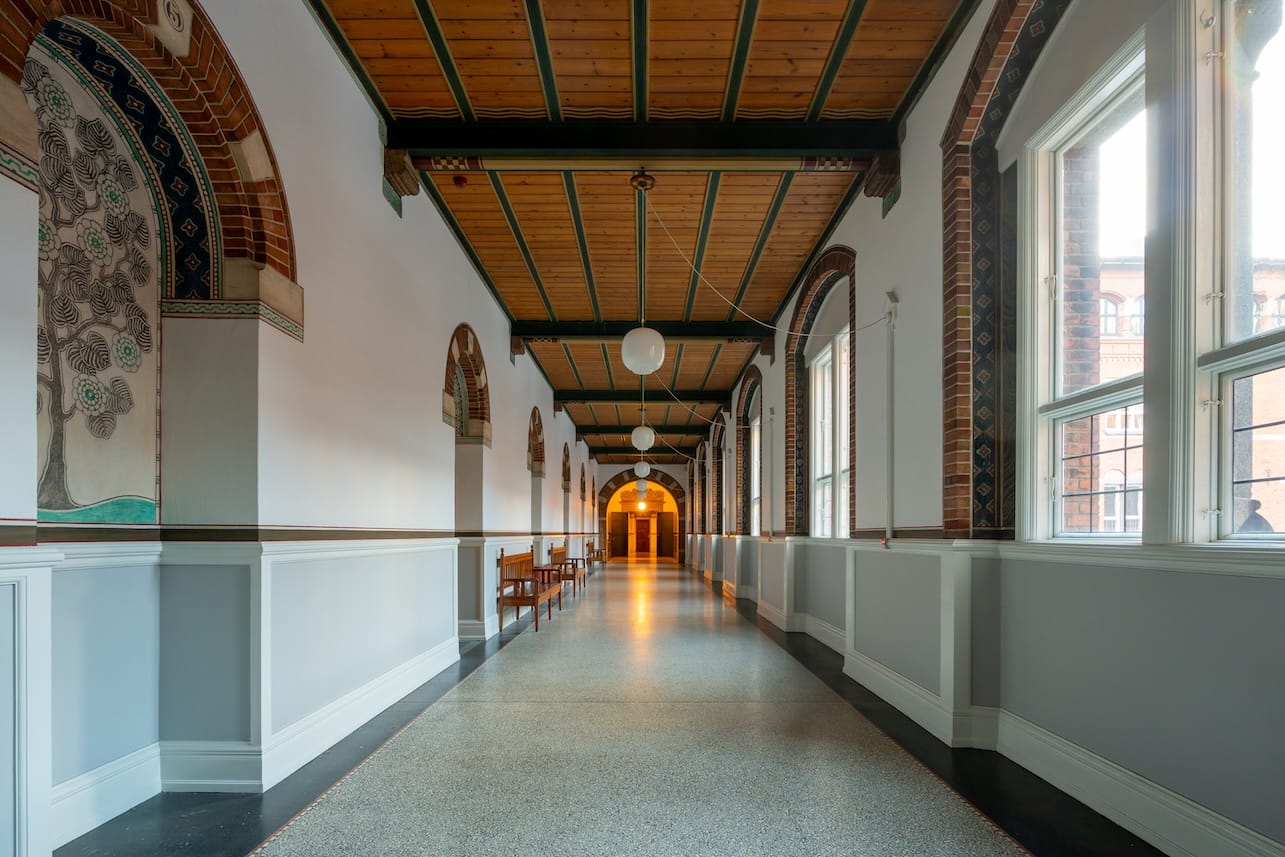
Plan Museum Acoustics Early
The most successful museum sound design projects consider acoustics alongside exhibit planning, lighting, ceiling systems, and audiovisual infrastructure instead of after those decisions have already been made.
Evaluating visitor occupancy, reflection paths, and multimedia requirements early allows museum noise control treatments to integrate naturally into the architecture while providing long-term flexibility for changing exhibits. Acoustical Surfaces offers tested wall, ceiling, decorative, and architectural solutions that help designers achieve effective museum acoustics without compromising aesthetics.
Creating a Better Visitor Experience Through Museum Acoustics
The best museum experiences allow visitors to focus on the exhibits – not the room around them. Thoughtful museum acoustics improve speech clarity, support immersive multimedia, reduce competing noise, and reinforce the atmosphere each gallery is intended to create.
Whether you’re after nearly invisible art gallery acoustic panels, architectural finishes that complement the design, or targeted treatments for interactive exhibits, the right acoustic strategy supports both the exhibits and the visitor experience. Explore Acoustical Surfaces’ complete range of wall panels, ceiling systems, decorative acoustic panels, and architectural solutions to create museum environments that support the visitor experience as effectively as the exhibits themselves.