

 Acoustical Ceiling Tiles
What Are Fiberglass Acoustic Panels? Benefits, Specs, and Best Uses
If you’ve ever walked into a space that looks finished but still sounds loud, hollow, or tiring, chances are the issue wasn’t noise coming from outside – it was sound bouncing around inside the room. That’s where fiberglass acoustic panels come in.
Used everywhere from offices and classrooms to studios and worship spaces, fabric wrapped fiberglass panels are one of the most reliable tools for reducing echo, improving clarity, and making rooms more comfortable to occupy. Much of their popularity comes down to aesthetic appearance, absorption performance, and flexibility in how they’re manufactured and installed. When people talk about fiberglass panel benefits, they’re usually referring to this combination of absorption performance, durability, and professional-grade finish options.
This guide breaks down what fiberglass acoustic panels actually are, how they compare to foam and rockwool, what specs matter most, and how to use them effectively – without overcomplicating the process.
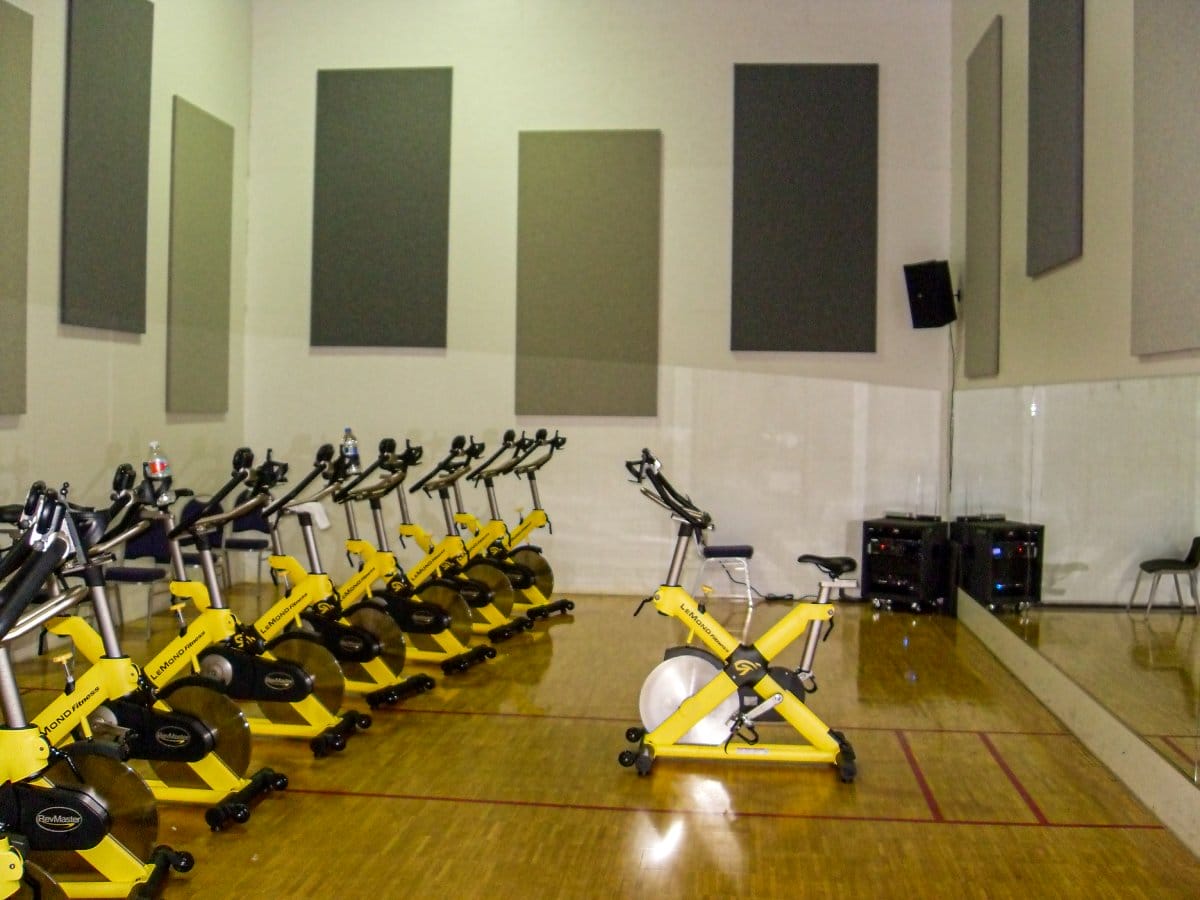
Quick Definition: What Counts as a Fiberglass Acoustic Panel?
A fabric wrapped fiberglass acoustic panel is a sound-absorbing panel that starts with a rigid fiberglass board, typically in the 6-7 pound per cubic foot density range. The rigid fiberglass core is cut or machined to size, edges are often resin-hardened for durable, clean corners, and the panel is wrapped in acoustically transparent fabric that allows sound to pass through to the absorptive core.
Common characteristics include:
- Core material: 6-7 lb. rigid fiberglass board designed for acoustic absorption
- Thickness options: Most commonly 1”, 2”, 3”, or 4”
- Fabric wrap: Breathable, acoustically transparent fabric
- Edge profiles: Square, beveled, half-beveled or radius (rounded)
- Mounting options: Wall-mounted, ceiling-mounted, or suspended.
- horizontally / parallel with the floor = Clouds
- vertically / parallel with the walls = Baffles
It’s important to understand that fabric wrapped fiberglass panels are designed and intended for absorption vs soundproofing. They reduce reflections, echo, and reverberation inside a room. They do not block sound from traveling between rooms.
The Core Benefits of Fiberglass: Why Pros Choose It
For many years, fiberglass has been a go-to material for commercial and architectural acoustics because it is a low cost core material that performs very well across a wide range of real-world conditions, it can be cut or CNC machined easily and cleanly, and its natural rigidity allows it to be wrapped to create a decorative and professional aesthetic
Broad, Predictable Absorption Performance
Compared to many lightweight materials, fiberglass acoustic panels absorb sound across a wide frequency range – especially in the speech-critical mid frequencies. With proper thickness and, in some cases, an air gap between the panels and the structure, panels often achieve an NRC rating in the 0.85 (1” thick panels) – 1.15 (2” thick panels) range. Three-inch and four-inch panels are most often used in situations where more low-frequency absorption is needed.
Efficient Use of Wall and Ceiling Area
Because fiberglass performs consistently as an absorptive media, designers can often meet reverberation targets without covering excessive amounts of walls or ceilings in a room. Fewer square feet of treatment may be needed compared to lower-performing materials, depending on frequency goals and room geometry.
Commercial Fire Performance
Fabric wrapped fiberglass panels used in interior finished spaces are manufactured as Class A fire rated panels, compliant with ASTM E84 / UL 723 requirements. This makes them suitable for offices, restaurants, businesses, schools, healthcare, and other temperature and humidity-regulated environments.
Dimensional Stability and Finish Quality
Rigid fiberglass board holds its shape over time, allowing for:
- Clean, crisp edges
- Tight, wrinkle and sag free fabric facing
- Consistent panel alignment
- A more architectural, less “temporary” look
| Feature / Attribute | Acoustic Foam Panels | Fiberglass Acoustic Panels |
| NRC Range | ~0.30-0.75 (varies widely) | 0.85 (1” thick) – 1.15 (2” thick); variable at other thicknesses |
| Low-Frequency Performance | Moderate to limited; performance drops below ~250-500 Hz without extra depth | Better absorption at lower mids with greater thickness options and an air gap behind panels; more predictable across frequencies |
| Durability | Softer material; can compress, tear/rip, or degrade with contact over time | Rigid core holds shape; fabric wrap resists surface damage in commercial/public spaces |
| Fire Rating | Some products lack formal rating or are Class C/D; must verify before use | Manufactured as Class A fire rated panels for commercial use |
| Typical Applications | Small vocal booths; DIY spaces; informal home studios where look matters | Offices, classrooms, studios, hospitality spaces, and large rooms needing reliable control |
| Aesthetic Options | Variety of wedge/egg-crate shapes and colors | Fabric-wrapped clean look; customizable colors, prints, and edge profiles |
Fiberglass vs. Foam – When Each Makes Sense
The conversation around fiberglass vs foam acoustic panels usually comes down to performance expectations and aesthetics.
Acoustic foam is lightweight and typically less expensive upfront. It can work well for controlling high-frequency flutter echo and is often chosen when a recording studio or broadcast-style look is desired.
Fiberglass acoustic panels, however, tend to deliver:
- Better absorption through mid frequencies
- More predictable performance data
- MANY more options for sizes, shapes, colors and finishes
- Greater durability in public or high-traffic spaces
A smart buying tip: don’t shop by material name alone. Always look at the absorption data, especially the 125 Hz and 250 Hz octave bands. Two panels with the same thickness can behave very differently depending on the core density and construction.

Fiberglass vs. Rockwool / Mineral Wool – What’s the Difference?
From a physics standpoint, fiberglass and mineral wool work in very similar ways. The real differences show up in how they’re used.
When comparing fiberglass vs rockwool absorption, performance depends more on thickness, density, and mounting than on the fiber type itself. That said, there are practical distinctions:
- Rigid fiberglass panels are factory-built, fabric-wrapped, and shipped ready to install
- Rockwool is often chosen for DIY builds, framed 4-6” thick and fabric-wrapped on site
- Fiberglass panels offer more consistent aesthetics and easier specification for commercial installs
Rockwool can be a great choice for custom builds or budget-driven projects, while fiberglass panels shine when speed, finish quality, and documented performance matter.
Safety & Indoor Air Quality (Fabric, Fire, and Handling)
Safety concerns are common – and valid – when people first encounter fiberglass products.
In finished installations, fiberglass acoustic panels are manufactured with the face and edges of the panels fully wrapped. The fibers are not exposed to the room environment. When properly specified and installed:
- Panels meet Class A fire rating requirements
- Fabrics are acoustically transparent
- Panels are safe for occupied spaces including offices and classrooms
During installation, basic PPE is recommended, but once mounted, the panels function like any other architectural surface.
Where Fiberglass Panels Work Best (Use Case Playbook)
Fiberglass acoustic panels are flexible enough to work across a wide range of environments, but the way they’re specified and installed should always reflect how the space is actually used. Below are common applications where fiberglass panels consistently deliver measurable improvements in comfort, clarity, and overall usability.
Open Offices & Conference Rooms
Modern offices tend to prioritize hard, reflective finishes – metal, drywall, glass, polished concrete, exposed ceilings – which can quickly lengthen reverberation time. In these environments, office acoustic panels help absorb excess sound energy that would otherwise bounce between surfaces and build up into consistent background noise.
In open-plan offices, fiberglass panels are typically installed overhead, on perimeter walls or shared interior walls to reduce overall reverberation and make conversations feel more contained. Conference rooms benefit even more, as uncontrolled reflections can reduce speech intelligibility, especially during hybrid meetings where microphones and speakers are involved.
When wall space is limited or design aesthetics discourage heavy wall coverage, ceiling mounted panels, ceiling clouds and baffles become an effective complement. Suspending absorption above collaboration zones helps intercept sound before it reflects back into the room, improving clarity without visually cluttering the space.

Classrooms & Training Rooms
In educational settings, poor acoustics don’t just create annoyance – they actively interfere with learning. Long reverberation times make it harder for students to distinguish and understand spoken words, particularly for younger listeners or anyone seated farther from the instructor. This is why classroom acoustics standards often emphasize absorption over amplification.
Fiberglass acoustic panels are commonly installed on rear and side walls, where reflected sound tends to build up the most. The goal isn’t to make the room “dead,” but to shorten decay time enough that spoken words remain distinct. Improved speech intelligibility reduces listening fatigue and allows instructors to speak at a more natural volume.
Training rooms and lecture spaces follow similar principles. Panels are usually placed above shoulder height to minimize contact and damage while still delivering effective absorption across the critical speech frequency range.
Studios & Home Theaters
For critical listening environments, fiberglass panels are a foundational element of studio acoustic treatment. In recording studios, mixing rooms, and home theaters, reflections arrive milliseconds after the direct sound can smear imaging and reduce clarity.
Fiberglass panels are often used to control early reflections on side walls and ceilings, helping create a more accurate stereo image and consistent listening position. In these spaces, panel thickness and mounting depth matter more, and thicker panels or air-gapped installations are common.
While fiberglass panels excel at mid- and high-frequency absorption, they’re typically part of a larger system that includes bass traps and diffusers. Together, these treatments create a balanced environment that supports both accurate monitoring and enjoyable playback without over-damping the room.
Worship, Hospitality, and Gyms
Large, high-volume spaces pose unique acoustic challenges. Sanctuaries, auditoriums, gymnasiums, theaters, hotel lobbies, restaurants, and fitness centers often feature tall ceilings and expansive reflective surfaces that allow sound to limber far longer than desired.
In worship spaces, fabric wrapped fiberglass panels help improve clarity for both spoken word and music, particularly in rooms where architectural finishes limit sound control options. Panels may be wall-mounted, suspended vertically, or integrated into architectural features to maintain visual harmony.
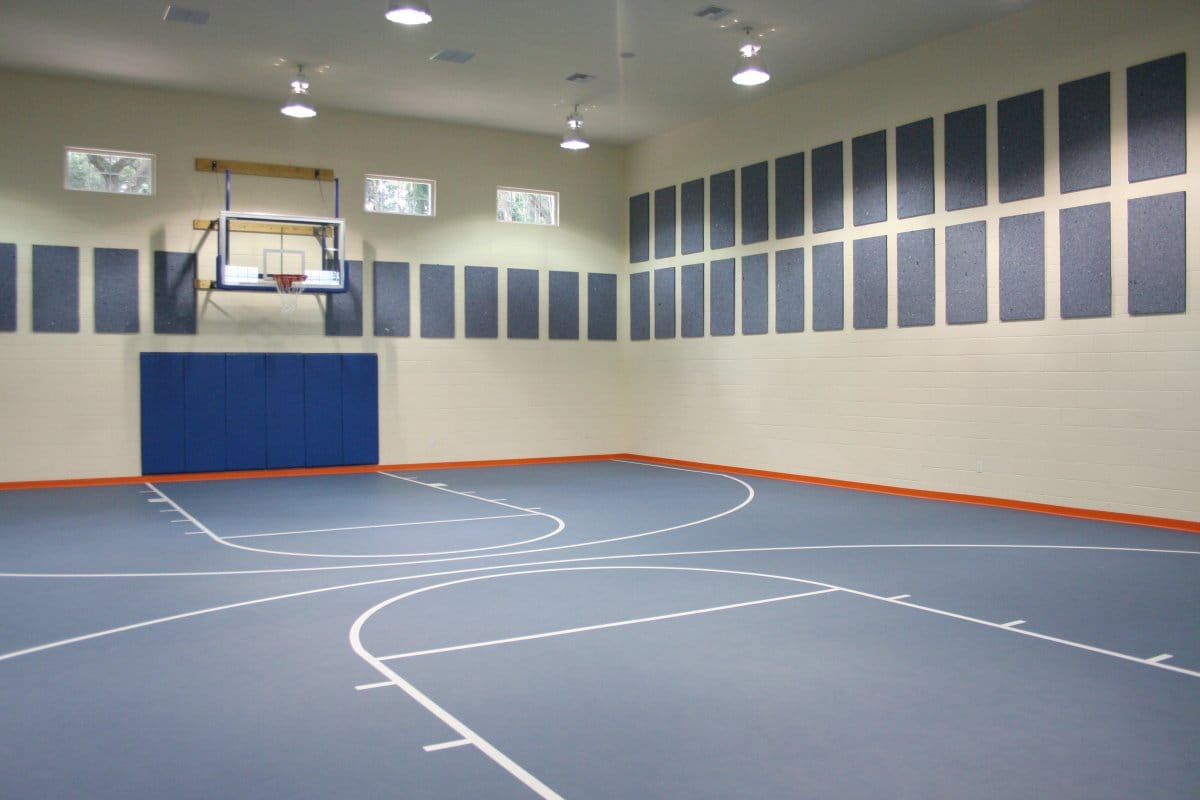
Gyms and recreation spaces benefit from a combination of wall-mounted panels and/or hanging baffles. Reducing overall reverberation makes announcements easier to understand and lowers perceived loudness, creating a more comfortable environment for staff and occupants alike – without compromising durability or safety.
Specs That Matter (and How to Read Them)
NRC: What It Is – and Isn’t
The NRC rating is an average, not a full picture. It’s useful for comparisons, but octave-band data tells you far more about real-world performance.
Thickness, Air Gaps, and Real Performance
Comparing 1” vs 2” panels is common. Thicker panels – and especially air gap acoustic panels mounted off the wall – generally improve lower-frequency absorption.
Fabric Transparency
Even a high-performance core can be compromised by dense, air-impermeable fabric. Always choose breathable fabrics or those that are designed for acoustic use.
Mounting Hardware
Mounting affects both performance and serviceability:
- Impaling clips: Along with adhesive, these are simple and economical
- Z-clips: Removable and deliver precise alignment
- Rotofast anchors: Fast installs with consistent spacing
This is where acoustic panel mounting decisions matter more than many people expect.
Installation 101: From Layout to Mounting
For most spaces focused on basic echo reduction, exact placement isn’t critical. Panels can be installed where they look best or where they’re least likely to be damaged – often above shoulder height.
A typical install flow includes:
- Confirm layout and spacing
- Prep wall or ceiling surface
- Install hardware (impaling clips, Z-clips, or Rotofast anchors)
- Mount panels
First-reflection placement is relevant mainly for studios and listening rooms, not typical offices or classrooms. When treating spaces where precise audio is critical, treating the first reflection points (locations on side walls and ceilings where you can see speakers in a mirror reflection when seated in the listening area) with fiberglass panels or diffusion will provide immediate benefits.
Budgeting: How Many Panels Do You Need?
A simple way to estimate panel quantities is to consider:
- Cubic volume of the space
- Existing floor, wall and ceiling surfaces
- Desired amount of post treatment reverberation
- Room use / purpose
Higher-performance fiberglass panels can sometimes reduce total panel count and labor compared to lower-performing materials – but this is frequency-dependent and should be evaluated case by case.
Read More: How to Calculate the Right Number of Acoustic Panels for Your Space
Let’s Get Your Space Dialed In
Every room is different. Panel sizes, thicknesses, quantities, fabrics, and mounting methods all play a role in the final result.
Acoustical Surfaces offers free consultations – just share room dimensions, photos, usage details, and any aesthetic or budget goals. Our team can recommend panel quantities for proper coverage, configurations, and documentation to support your project.
When it comes to proven fiberglass panel benefits, the biggest advantage is predictability: clear specs, reliable performance, and solutions that work the first time – without the guesswork.