

 Acoustical Ceiling Tiles
Controlling Bass Frequencies: Why Low-End Sound Is So Hard to Tame
So what exactly is the “low end” of sound?
The answer lies in the bass and low-frequency portion of sound – the part of the spectrum you often feel as much as you hear. In the real world, low-end problems rarely show up as a single obvious issue. Instead, they appear as rumble, uneven bass, vibration, or the familiar sense that sound seems to collect in certain areas of the room.
These problems are common in recording studios, home theaters, restaurants, offices, gyms, nightclubs, and performance spaces because bass behaves differently than speech and higher frequencies. Thin foam or standard wall panels may help with echoes, but they often do little to address the low-frequency energy responsible for boominess and imbalance.
Understanding why bass acts the way it does is the first step toward choosing the right combination of placement, acoustic treatment, and bass control strategies.
What Does Low End Mean?
In audio and acoustics, the term “low end” refers to both sub-bass frequencies and bass frequencies.
A common frequency breakdown places:
- Sub-bass at approximately 20 to 60 Hz
- Bass at approximately 60 to 250 Hz
These frequencies provide weight and impact. They are responsible for the power behind kick drums, movie explosions, HVAC rumble, traffic noise, machinery vibration, and many musical instruments.
Although low end sound gives audio its fullness and punch, it is also the range most likely to create acoustic problems. Excessive or uncontrolled low frequency sound can quickly lead to uneven response and unwanted resonance inside a room.
Low End vs. Low Mids
Low end and low mids are often confused. They are not the same thing.
Low mids contribute warmth and body, but they can also introduce boxiness or muddy sound. True low-end frequencies, on the other hand, are typically responsible for bass buildup, vibration, and pressure-related effects.
Unlike midrange frequencies, which are primarily heard, bass has a physical quality. People may experience low frequencies as:
- Pressure in the chest
- Floor and wall vibration
- Deep rumble
A simplified frequency chart helps illustrate the difference.
| Frequency Range | Common Name | What It Sounds Like |
| 20–60 Hz | Sub-bass | Rumble, power, vibration |
| 60–250 Hz | Bass / low end | Fullness, punch, boom |
| 250–500 Hz | Low mids | Warmth, mud, boxiness |
| 500+ Hz | Mids / highs | Speech clarity, detail, brightness |
Why Low-End Sound Is So Hard to Control
Bass is notoriously difficult to manage because it behaves differently than higher frequencies.
Bass Waves Are Long
One reason bass frequencies are so challenging is their wavelengths. Low-frequency waves are much longer and taller than high-frequency waves.
Instead of acting like small directional reflections, bass waves spread throughout the room, wrap around obstacles, and interact strongly with walls, floors, ceilings, and furnishings. This makes low-end frequencies much harder to predict and control.
Low Frequencies Build Up in Corners and Along Boundaries
Because bass has a tendency to accumulate along room boundaries, corners, wall intersections, and ceiling junctions frequently become collection points for low-frequency energy. These concentrations contribute to boomy bass, excessive resonance, and the formation of standing waves.
Over time, these pressure concentrations create room modes, which are one of the biggest challenges in both home theater bass control and recording studio acoustics.
Small Rooms Make Bass Problems Worse
Bedrooms, podcast rooms, rehearsal spaces, offices, and home theaters often experience severe bass inconsistencies.
In one seat, the bass may feel overwhelming. Move only a few feet away, and the same frequencies may almost disappear.
This uneven response is caused by room modes and standing waves interacting with the dimensions of the room. Smaller spaces simply leave fewer opportunities for those waves to dissipate naturally.
Bass Can Travel Through Structure
Low-frequency sound does not stop at the walls.
Bass energy can vibrate floors, ceilings, and building structures, causing sound to travel into neighboring spaces. This structural vibration is often a major concern in entertainment venues and applications involving nightclub soundproofing.
Common Signs of Low-End Problems
Bass issues often reveal themselves through practical symptoms.
Boomy or Muddy Sound
Too much uncontrolled low end can make music and speech feel heavy and unclear. Voices may lose intelligibility, while playback becomes thick and overpowering.
Uneven Bass Around the Room
A simple test is to walk around the space while music is playing.
You may notice:
- Bass is much louder in corners.
- Certain seats sound balanced.
- Other locations seem to have almost no bass at all.
These inconsistencies are classic signs of room modes and standing-wave behavior.
Rattling Walls, Floors, or Fixtures
Low frequencies frequently reveal themselves through vibration.
Common examples include:
- Doors rattling
- HVAC components vibrating
- Ceiling grids buzzing
- Windows shaking
- Furniture resonating
Noise Complaints from Adjacent Rooms or Neighbors
When bass escapes a room, the solution may involve both absorption and isolation.
Controlling bass inside the room and preventing bass transmission are related issues, but they are not solved the same way. Effective soundproofing for bass usually requires a different approach than simply improving sound quality within the room.
Bass Control vs. Soundproofing: What Problem Are You Solving?
People often use the terms interchangeably, but acoustic treatment and soundproofing address different problems.
Acoustic Treatment Improves Sound Inside the Room
Acoustic treatment manages reflections, reverberation, clarity, and frequency balance.
Because they absorb low-frequency energy, bass traps are an important part of room treatment in bass-heavy environments. They help reduce excessive buildup and create a more balanced listening environment.
Soundproofing Blocks Sound From Leaving or Entering
Soundproofing focuses on sound transmission rather than room quality.
Its purpose is to reduce the amount of sound that enters or escapes a space. While absorption improves acoustics inside the room, soundproofing aims to isolate noise between rooms.
Many Bass Problems Need Both
Real-world projects frequently require a combination of approaches.
| Problem | Likely Solution |
| Bass sounds boomy inside the room | Bass traps and room treatment |
| Bass is uneven from seat to seat | Bass traps, speaker, and listener placement |
| Bass is disturbing nearby rooms | Soundproofing plus low-frequency control |
| Echo or harsh speech | Acoustic panels, clouds, absorbers |
| Rattling walls or fixtures | Vibration control and isolation |
For example:
- A home theater that sounds boomy may simply need bass traps.
- A nightclub generating complaints may require bass traps and sound isolation.
- A studio producing muddy mixes may benefit from low-frequency treatment and better speaker placement.
- A gym with heavy music may need both absorption and isolation improvements.
How Bass Traps Help Control Low Frequencies
What Bass Traps Are Designed to Do
Bass traps are specialized treatments designed to provide low frequency absorption.
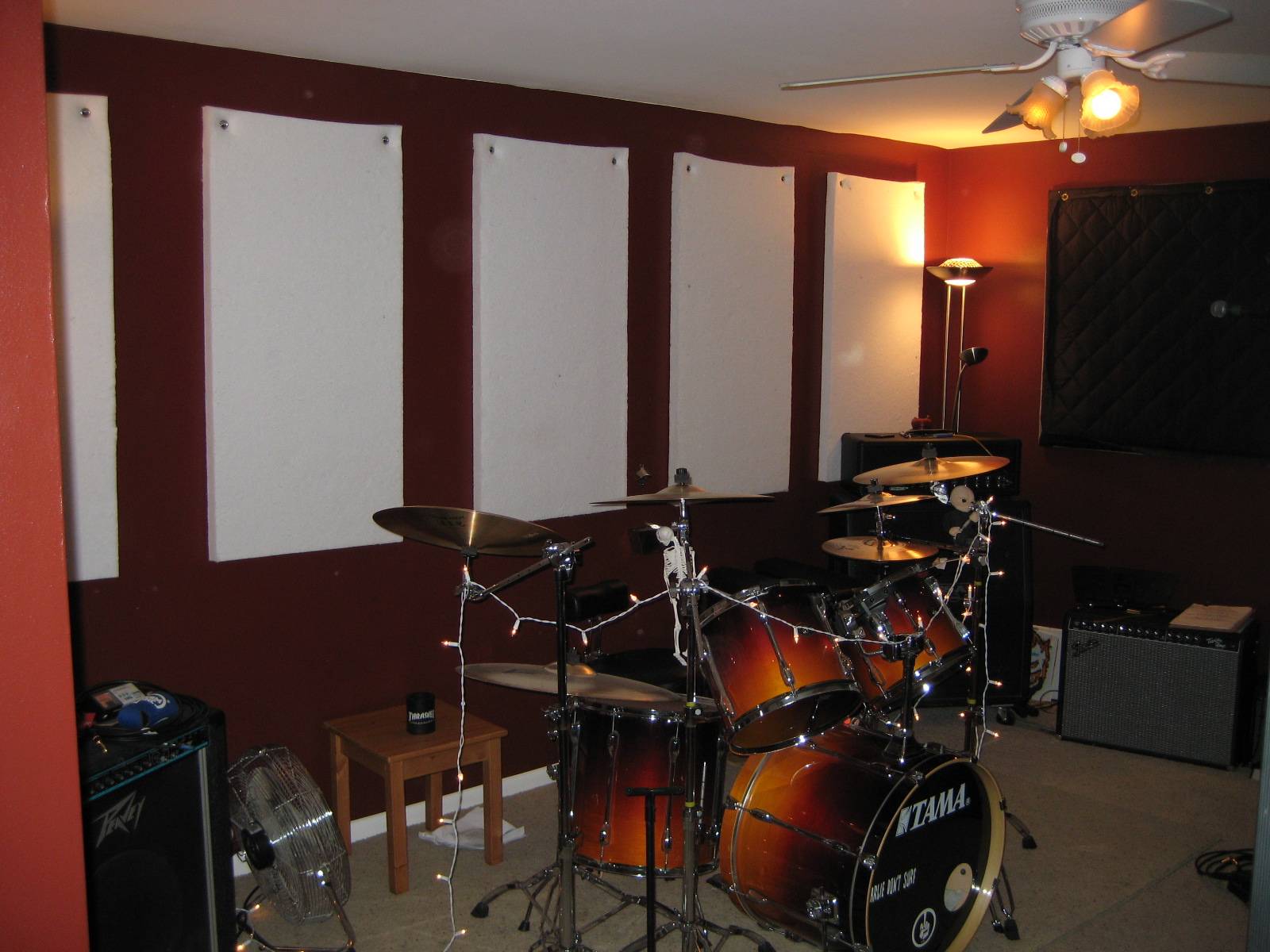
Their job is to absorb excess energy and reduce the pressure buildup responsible for room modes. Acoustical Surfaces’ Foam S.T.O.P. Bass Trap is specifically designed to help even out room modes caused by low-frequency corner buildup.
Why Corners Are Common Bass Trap Locations
Because bass naturally accumulates at boundaries, corners are often the most effective placement locations.
This is why corner bass traps are commonly used in studios, offices, and home theaters. Installing treatment where energy concentrates provides greater efficiency than placing products randomly throughout the room.
Why Thickness Matters
Low frequencies require deeper and more specialized treatment than speech frequencies.
Thin foam or standard wall panels may help with reflections, but they are rarely sufficient for serious bass control. Effective acoustic panels for bass control are generally thicker or specifically engineered to absorb low-frequency energy.
Acoustical Surfaces Products That Help With Low-End Control
Echo Eliminator Bass Buster
The Echo Eliminator Bass Buster is manufactured from bonded acoustical cotton and is designed for low-frequency absorption in architectural, industrial, residential, and professional audio applications.
Its versatility makes it suitable for:
- Schools
- Restaurants
- Offices
- Conference rooms
- Music rooms
- Theaters
- Recording studios
- Warehouses
- Manufacturing plants
Foam S.T.O.P. Bass Trap
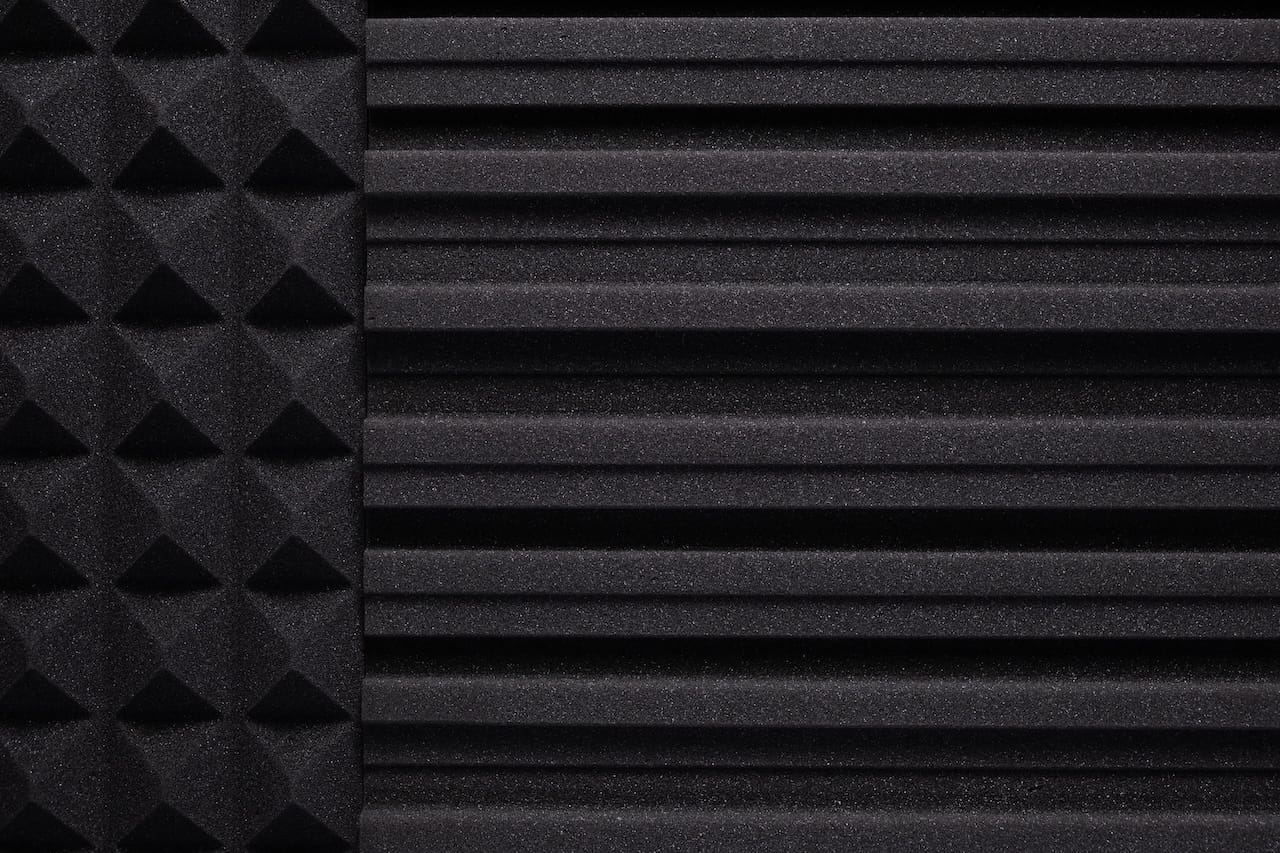
The Foam S.T.O.P. Bass Trap is a melamine acoustical foam solution designed to address corner buildup.
These bass traps are particularly useful in home theaters, audio rooms, and offices where room modes create uneven response.
Acoustic Panels, Clouds, and Additional Treatment
Bass traps are rarely used alone.
In many projects, they work alongside acoustic panels, ceiling clouds, and diffusers to create balanced acoustics. Combining multiple forms of treatment allows the room to address both low frequencies and reflections across the rest of the spectrum.
When to Talk to an Acoustical Specialist
If the Room Has Persistent Bass Problems
Some spaces continue to exhibit uneven bass even after basic treatments are installed. Professional guidance can help identify the source of the problem and recommend more effective solutions.
If You Need Both Sound Quality and Noise Control
Projects involving both sound quality and isolation often benefit from a coordinated strategy. This is common in:
- Schools
- Churches
- Gyms
- Studios
- Entertainment venues
- Multi-use commercial buildings
If You Are Designing a New Space
It is much easier to plan for bass control before construction is complete.
Addressing low-frequency issues during the design phase can help avoid costly modifications later and produce better overall results.
Build a Better-Sounding Room with Low-End Control
Understanding the question of what does low end mean is important because the same bass frequencies that give sound its impact are also among the hardest to manage. Their long wavelengths and tendency toward buildup make them very different from speech and higher frequencies. With the right combination of bass traps, placement strategies, and acoustic treatment, low end sound can be controlled more effectively. Whether the goal is better listening, improved home theater bass control, or reduced vibration between spaces, a thoughtful approach to bass control is the first step toward a better sounding room.