

 Acoustical Ceiling Tiles
How Much Does it Cost to Install an Acoustic Ceiling?
When planning a commercial or residential sound control upgrade, one of the first questions that comes up is acoustic ceiling cost. While acoustical ceilings are widely used in offices, schools, theaters, and increasingly in homes, pricing can vary significantly depending on materials, installation method, and room conditions. Understanding what goes into the cost helps you set realistic expectations and avoid surprises once installation begins.
This guide breaks down what an acoustical ceiling is, how pricing typically works, and which variables matter most. Whether you are budgeting for a small home office or evaluating office acoustic ceiling cost across a larger space, this article will help you make a more informed decision.
Basic Acoustic Ceiling Cost
On a national level, installed acoustic ceiling cost typically falls into the following ranges:
- Typical installed range: $6 to $20 per square foot
- Average installed cost: $10 to $14 per square foot
- Material-only average pricing: $2 to $10+ per square foot depending on performance and finish
The wide spread exists because no two ceilings are truly alike. However, three primary cost drivers account for most price differences:
- Materials – Tile or panel type, thickness, facing, and whether specialty layers like sound barriers are included
- Room Complexity – Ceiling height, obstructions, lighting, sprinklers, and penetrations
- Add-ons – Insulation backers, barrier layers, premium fabrics, or washable finishes
One important note up front: direct-mount acoustic panels vs. drop-in grid tiles change both the labor approach and material mix, which has a meaningful impact on total installed cost.
What Counts as an “Acoustic Ceiling” (Drop-In vs Direct Mount)
An acoustic ceiling generally falls into one of two categories: suspended drop ceilings or direct-mount systems.
Drop ceilings use a suspended metal grid that holds acoustical ceiling tiles 2×2 feet or acoustical ceiling tiles 2×4 feet. These systems are common in offices, classrooms, and retail spaces because they allow access to utilities above the ceiling plane.
Direct-mount acoustic panels are adhered or mechanically fastened directly to drywall or structural decking. These include direct mount acoustic panels, fabric wrapped acoustic panels, polyester acoustic ceiling panels, and cotton acoustic panels.
Each approach shines in different environments:
- Drop ceilings: Offices, classrooms, basements, pools, and food prep areas where access and serviceability matter
- Direct-mount: Studios, home theaters, conference rooms, and spaces with limited ceiling height
From a cost perspective, drop ceilings often require more components (grid, hangers, wire), while direct-mount systems reduce hardware but demand careful layout and alignment. Direct mount vs drop ceiling cost comparisons usually come down to ceiling height constraints and long-term access needs.
Acoustic Ceiling Cost per Square Foot
Installed acoustic ceiling cost per square foot typically breaks down as follows:
Drop ceilings approximately: $7 to $18 per square foot installed
Direct-mount panels average: $6 to $16 per square foot installed
Smaller rooms often cost more per square foot because of minimum labor charges and the higher percentage of cuts around lights, vents, and edges. Premium finishes, thicker panels, or ceiling tiles with sound blocking capabilities will also push costs upward.
Again, this is a very tricky question to approach. There are a lot of variables involved – room geometry, product selection, and performance goals all influence final pricing, making exact comparisons difficult without project-specific details.
Itemized Cost Breakdown (Where the Money Goes)
Understanding how costs are allocated helps clarify why quotes vary.
Materials
- Acoustic ceiling tiles or panels (material type, thickness, facing)
- Grid metal for suspended systems
- Adhesives, fasteners, or stick pins
Labor
- Layout and leveling
- Cuts around lighting, diffusers, and sprinklers
- Alignment and edge detailing for direct-mount systems
Add-ons
- Lighting modifications
- Insulation backers or sound barrier ceiling tiles
- Mass loaded vinyl ceiling tiles for additional blocking
- Cleanup and haul-off
Permits & Inspections
Permits may apply in commercial settings or when fire-rated assemblies are modified. Always confirm local requirements before installation begins.
Featured Acoustic Ceiling Products
The following products are recommended options to consider based on budget, aesthetics, and performance.
Echo Eliminator® Ceiling Panels
Echo Eliminator® panels are made from recycled cotton and are lightweight, cost-effective, and highly absorptive. They are safe to handle, economical to ship, and Class A fire rated. These panels install easily using adhesives and/or stick pins and washers. Available in 1 inch acoustic panels or 2 inch acoustic panels, they are offered in standard 2’x4’ sizes and typically stocked in six colors.
Best for: Budget-friendly reverberation control in offices, classrooms, and home theater ceiling panels where value and performance matter most.
Cost impact: Lower material cost tier among direct-mount options with straightforward labor.
Fabric-Wrapped Fiberglass Ceiling Panels (Direct-Mount, Custom)
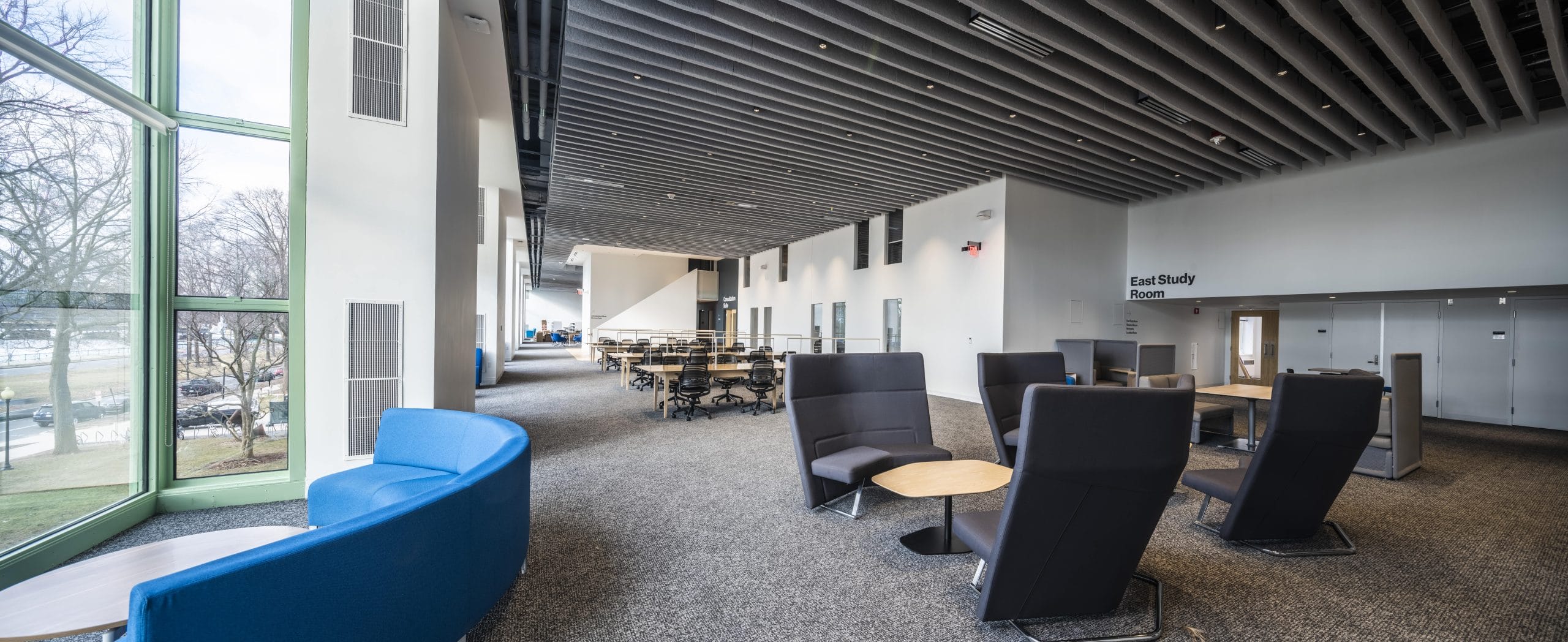
These panels use a rigid fiberglass core wrapped in decorative fabric, offering strong absorption and refined aesthetics. Sizes can reach up to 4’ x 10’ with multiple edge profile options.
Best for: Design-forward spaces such as restaurants, churches, offices, boardrooms, and auditoriums.
Cost impact: Mid-to-premium material tier with higher labor costs due to layout precision and edge detailing.
Sound Silencer™ dBA Tiles
Sound Silencer™ dBA tiles combine absorption, diffusion, and limited blocking in a single product. They are available in white or charcoal-gray color options, 1” or 2” thicknesses, and standard 2’ x 2’ or 2’ x 4’ formats.
Best for: Spaces needing mixed acoustic action with flexible installation methods (may be installed in a grid or adhered / screwed into place).
Cost impact: Mid tier and may reduce the need for separate diffuser products.
Sound Silencer™ Tiles
These Sound Silencer™ tiles are made from expanded polypropylene beads and do not particulate. They are suitable as drop ceiling tiles for humid areas, pool ceiling acoustic tiles, and food prep ceiling tiles where wipe-down capability and durability matter. Also available in white or charcoal-gray color options, 1” or 2” thicknesses, and standard 2’ x 2’ or 2’ x 4’ formats.
Best for: Humid or sanitary environments and spaces subject to contact or abuse.
Cost impact: Mid tier with potential long-term maintenance savings.
Poly Max™ Tiles & Panels
Poly Max™ products are made from high-performance compressed polyester fiber and feature a clean face with square edges. Standard sizes include 2’ x 4’ and 4’ x 8’ panels, along with nominal ceiling tile formats (2’ x 2’ or 2’ x 4’).
Best for: Contemporary offices, hospitality spaces, and mixed-use environments.
Cost impact: Low-to-mid tier with excellent design flexibility.
Noise S.T.O.P.™ Sound Barrier Ceiling Tiles / Barrier ACT
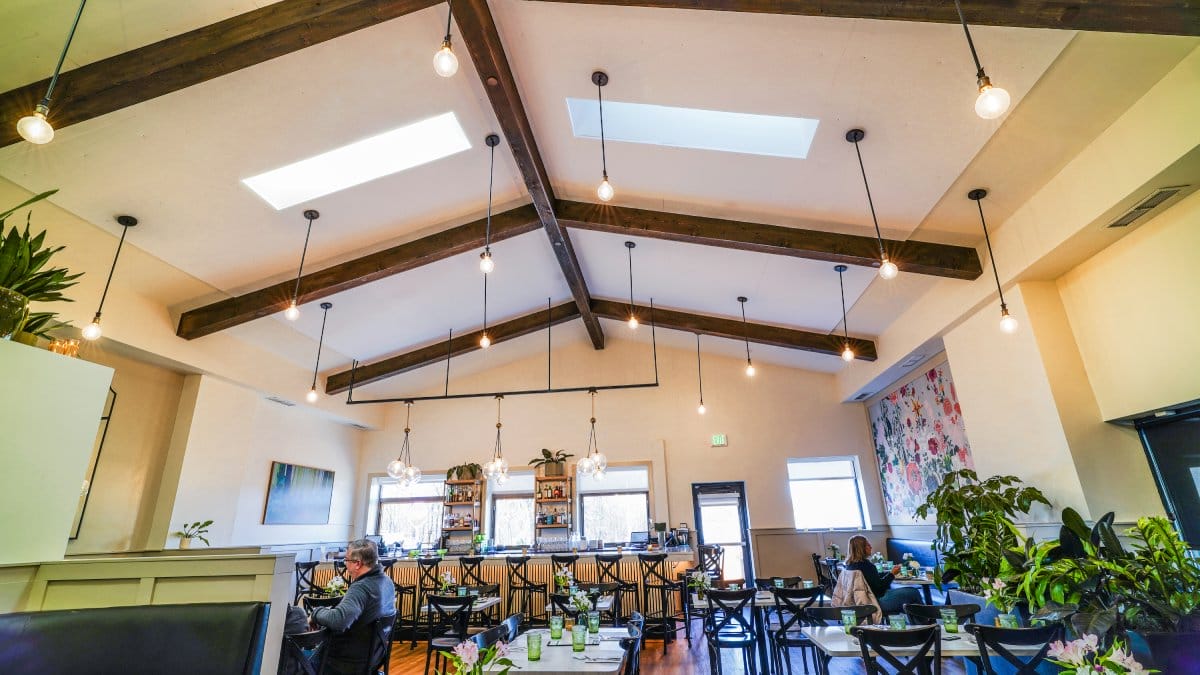
These Noise S.T.O.P.™ ceiling systems combine absorptive fiberglass with a 1lb per square foot mass-loaded vinyl backing barrier to reduce sound transfer through the ceiling plane. They are available in 1-1/8” or 2-1/8” thicknesses, standard 2’ x 2’ or 2’ x 4’ formats, and alternative fabric options including wash-down-friendly perforated and micro-vented vinyl facing.
Best for: Offices under mechanical rooms, multi-tenant separations, and noisy corridors where ceiling tiles with sound blocking are required.
Cost impact: Premium material tier, though they may eliminate separate soundproofing line items.
Painted Nubby Fiberglass Tiles
painted nubby fiberglass tiles provide strong absorption with a classic “painted nubby” white textured appearance (alternative facings upon request). They are available in ” or 2” thicknesses and custom or standard (2’ x 2’ or 2’ x 4’) sizing formats.
Best for: High-absorption needs with a simple, clean visual.
Cost impact: Budget-to-mid material tier depending on facing.
Cost by Room Type & Complexity
Where the ceiling is installed often matters just as much as what product is selected. Two rooms with the same square footage can land at very different price points once real-world conditions are considered.
Basements, for example, tend to cost more than people expect. Exposed ductwork, piping, and structural beams increase layout time and create more cuts, which drives up labor even when material costs stay modest. Similarly, older buildings often hide surprises above the ceiling plane that slow installation and affect pricing.
Room layout also plays a role. Open areas with clean lines are generally more efficient to install than smaller, segmented rooms where installers are constantly stepping out to cut around walls, soffits, or transitions. In these cases, the per-square-foot cost rises simply because labor efficiency drops.
Environmental conditions matter too. Humid spaces like natatoriums, locker rooms, and food service areas require materials designed to handle moisture and frequent cleaning. While those products may cost more upfront, they typically reduce maintenance issues and premature replacement, which helps control long-term costs.
Material Options, Thickness, and Finish: How They Move Price
Once the room conditions are understood, material selection becomes the next major pricing lever.
Thickness (1” vs 2”)
Panel thickness directly affects performance and cost. Thicker panels generally absorb more sound, particularly in the mid and lower frequencies, and are slightly more rigid during installation. That added performance comes with a modest increase in material and shipping cost.
It’s important to note that thickness is not interchangeable with coverage. Installing fewer 2-inch panels will not provide the same result as properly covering the ceiling area with thinner panels. Performance goals should always drive thickness decisions, not just budget.
Finish and Fabric
Finish selection can quietly shift a project from budget-friendly to premium. Stock colors and standard facings are the most economical and widely available. Custom fabrics, specialty colors, or branded finishes increase material cost and lead times, but are often worth it in public-facing or design-forward spaces.
In sanitary or high-contact environments, washable acoustic ceiling tiles or specialty washable facings are often required. While they add cost, they also support easier cleaning and longer service life.
Special Layers (Barriers and Backers)
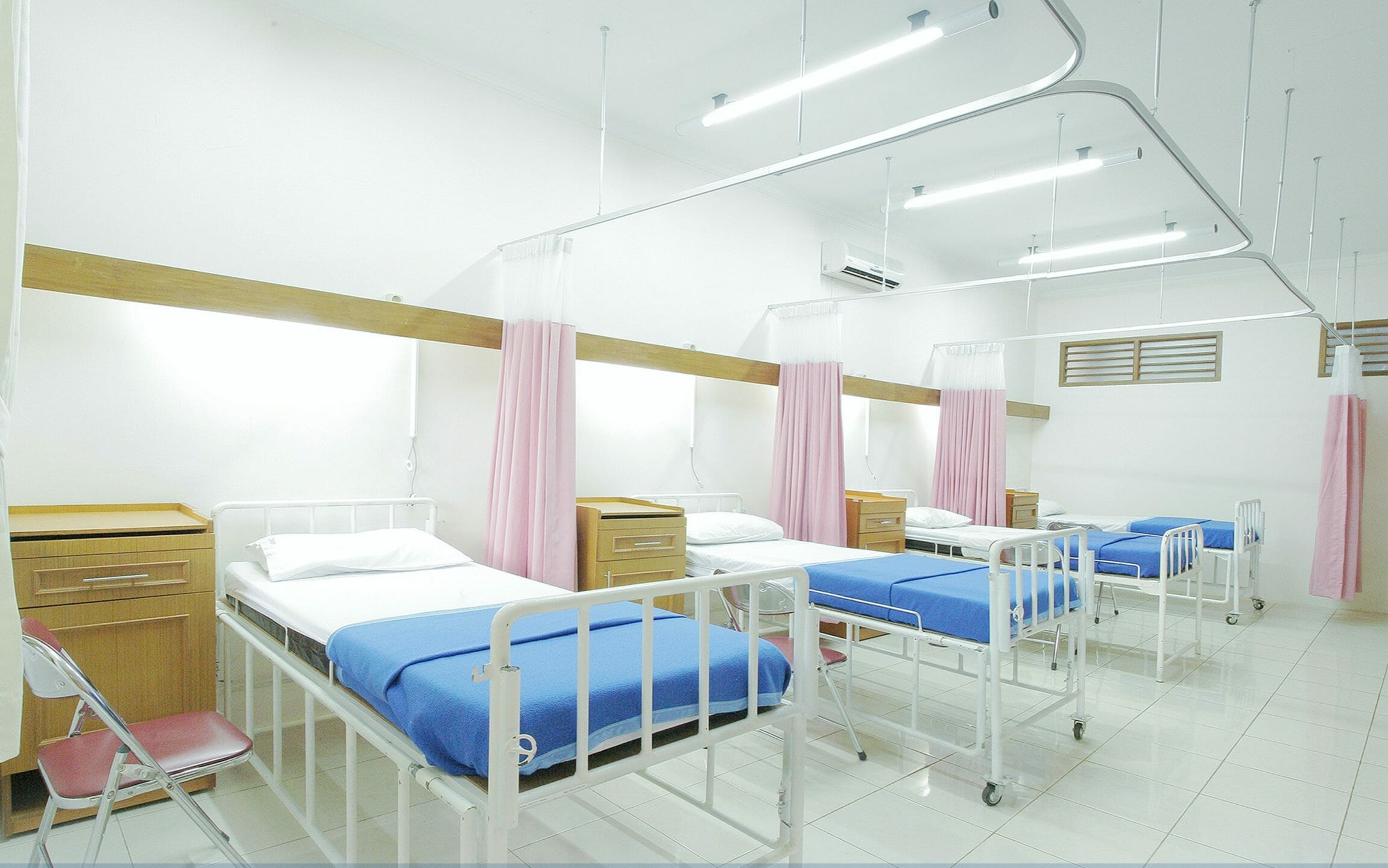
Ceilings designed to limit sound transfer require added mass. Barrier-backed tiles increase material cost but can eliminate the need for separate soundproofing assemblies. In many cases, that consolidation simplifies installation and offsets some of the added expense.
DIY vs Hiring a Pro
Some acoustic ceiling systems are approachable for experienced DIYers, but many projects benefit from professional acoustic ceiling installation.
Direct-mount panels require careful layout, consistent adhesive coverage, and precise alignment. Small mistakes can lead to visible waviness or uneven seams that are difficult to correct once panels are in place.
Drop ceilings present a different set of challenges. Grid systems must be leveled accurately, hanger spacing must meet code, and coordination with lighting, HVAC, and fire protection is often required. When systems become more complex – custom fabrics, barrier-backed tiles, or tight tolerances – professional installers typically save time and reduce rework.
Budgeting Tips to Lower Your Acoustic Ceiling Cost
There are practical ways to control cost without sacrificing performance. Standard tile sizes, simple layouts, and early planning for lighting and penetrations all help reduce labor time.
In value-driven projects, proven materials like painted fiberglass or polyester tiles often deliver strong results without premium pricing. In humid or high-use areas, selecting the right material upfront can also reduce long-term maintenance costs.
Drop Ceiling vs Drywall – Which Is Cheaper?
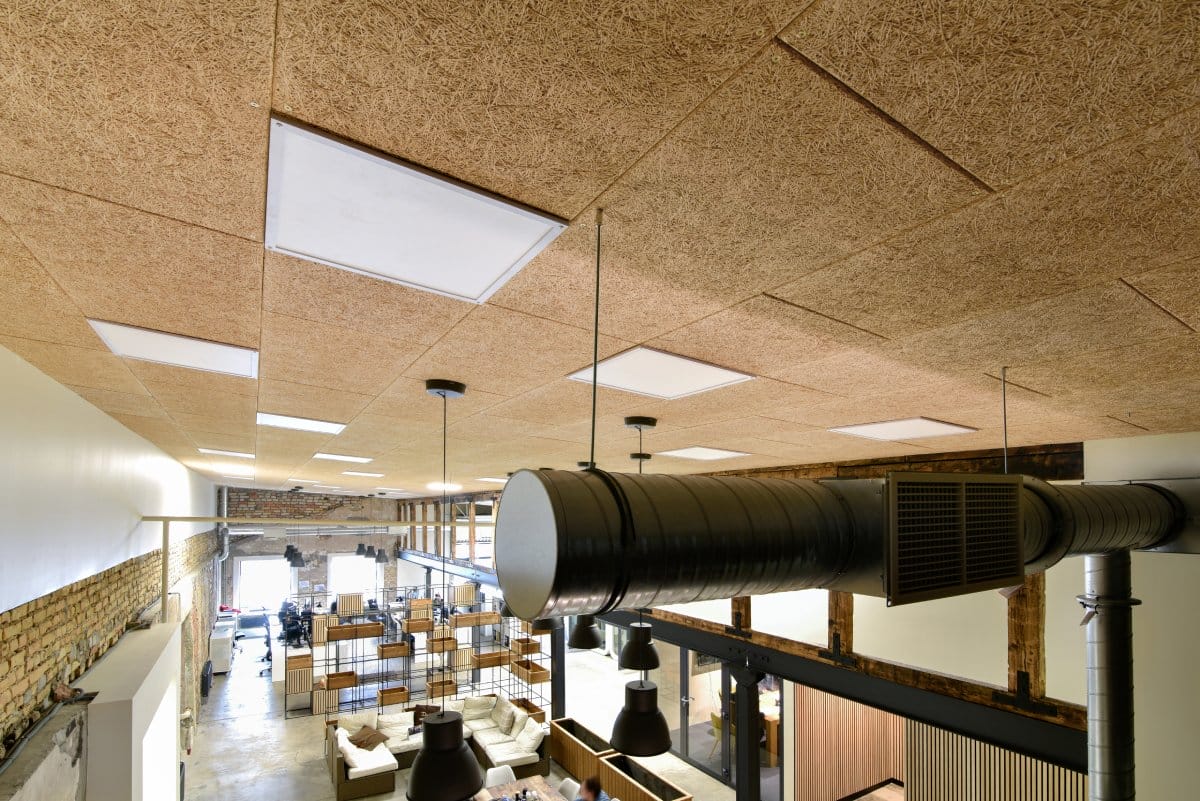
Drywall often wins on upfront cost, but it offers limited acoustic control and eliminates access to utilities. Drop ceilings are typically chosen for flexibility – concealing infrastructure while still allowing access and improving acoustics.
Even the best drop ceiling will not block as much sound as a continuous drywall ceiling, but it can solve problems drywall alone cannot. The right choice depends on whether access, flexibility, and acoustic performance outweigh initial cost.
Real-World Scenarios Worked Out For You
Scenario A – Home Office
A small office uses direct-mounted 1-inch cotton panels in stock sizes. Minimal obstructions and no lighting changes keep installation efficient and affordable while delivering noticeable echo reduction.
Scenario B – Retail Space
A retail area with humidity concerns installs moisture-resistant drop-in acoustic ceiling tiles. Slightly higher material costs are balanced by durability and easier maintenance.
Scenario C – Tenant Office Under Mechanical Room
Barrier-backed tiles address noise from above. While material costs increase, the solution avoids more invasive soundproofing measures.
How to Get an Accurate Quote
Accurate pricing starts with good information. Room dimensions, photos of ceiling obstructions, ceiling height, and installation approach all help our team at Acoustical Surfaces price confidently.
Be specific about product selection, thickness, finish, lighting plans, humidity exposure, and whether sound transfer is a concern. Requesting line-item pricing and per-square-foot total makes it easier to understand and compare acoustic ceiling cost accurately.
With clear goals and thoughtful planning, acoustic ceiling projects can deliver reliable performance without unnecessary expense.