

 Acoustical Ceiling Tiles
What Is Mass Loaded Vinyl (MLV) and How Does It Work?
Few soundproofing products create more confusion than mass loaded vinyl (MLV).
Some people treat it like a miracle material, while others assume it is simply a thinner version of drywall. Neither is accurate. Mass loaded vinyl can be highly effective when used in the right application and as part of a complete soundproofing system, but it’s far from a cure-all.
When people ask “what is MLV,” they are usually trying to solve a very specific problem: sound traveling from one space to another. Whether the goal is to stop noise from neighbors, reduce TV noise through walls, improve privacy in an office, or block sound between rooms, understanding how MLV works is the first step toward choosing the right solution.
What is Mass Loaded Vinyl (MLV)?
Mass loaded vinyl is a dense, flexible sheet material designed to reduce sound transmission. An MLV acoustic barrier (or MLV sound barrier) works by combining mass and flexibility to resist airborne sound transfer.
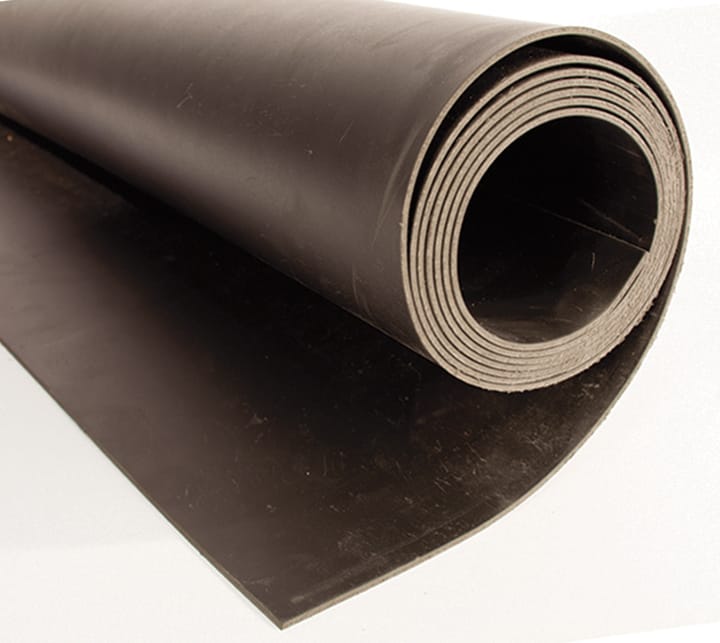
It is often described as a limp mass barrier, which is a useful description because it highlights the two characteristics that make the material effective: high density and flexibility. You may also hear it described as MLV insulation, although its primary purpose is controlling sound transmission rather than thermal performance.
Unlike drywall, plywood, and other rigid materials, MLV remains pliable after installation. It is not structural. Instead, it functions as a specialized sound barrier material, adding mass to wall and ceiling assemblies without requiring significant additional thickness.
Because it is designed to block sound rather than absorb it, mass loaded vinyl is most commonly used inside:
- Wall assemblies
- Ceiling assemblies
- Mechanical enclosures
- Commercial and residential soundproofing systems
It is also frequently discussed in relation to sound transmission class (STC) ratings because added mass can improve airborne sound isolation.
One misconception surrounding MLV is that it works like an acoustic panel. It does not. Understanding the soundproofing vs sound absorption distinction – and more specifically, sound blocking vs sound absorption – is essential. Acoustic panels absorb reflected sound inside a room. MLV is designed to reduce the amount of sound that passes through a wall or ceiling.
How Does MLV Work?
Mass loaded vinyl reduces sound transmission in two ways.
First, it adds mass. According to the basic principles of sound transmission, heavier assemblies are generally more resistant to sound passing through them. This concept is often referred to as the mass law of acoustics.
Second, MLV remains flexible after installation. When sound pressure reaches the material, the vinyl moves slightly rather than behaving like a rigid panel. That movement converts vibrational sound energy into heat energy. The amount of heat generated is very small, but the principle matters. The energy is simply changing form.
Think of a sheet of tissue paper moving in front of a speaker. MLV responds to sound pressure in a similar way, although on a much smaller scale.
This combination of mass and flexibility makes MLV particularly effective against:
- Voices and conversation
- Television noise
- Music at moderate levels
- General airborne sound transmission
It is much less effective against:
- Impact noise
- Structure-borne vibration
- Footsteps
- Mechanical vibration traveling through framing
This distinction is important because soundproofing projects often fail when the wrong problem is being addressed. If the issue is vibration moving through the building structure, solutions involving decoupling, vibration isolation, and sound damping become far more important than simply adding mass.
Sealing is equally important. Even a high-performance barrier can be undermined by gaps around outlets, pipes, ductwork, or perimeter joints. Sound behaves much like water in that respect. If there is an opening, it will find it.
Read More: Airborne vs Impact Noise: Best Soundproofing Solutions Explained
Where is MLV Used?
Mass loaded vinyl is most commonly used within wall and ceiling assemblies where airborne sound transmission is the primary concern.
Typical applications include:
- MLV for walls in homes, apartments, offices, and commercial spaces
- MLV for ceilings where noise transfer between levels is a concern
- Equipment and mechanical enclosures
- Recording studios and media spaces
- Privacy-focused office environments
Common goals include:
- Soundproofing apartment walls
- Soundproofing shared walls
- Reducing office-to-office noise transfer
- Improving speech privacy
- Supporting broader home soundproofing solutions
For specialized enclosure applications, Acoustical Surfaces offers a variety of acoustic enclosure systems along with additional resources focused on blocking sound.
Where Not to Use MLV
Understanding where MLV does not belong can be just as important as understanding where it does.
One of the most common misconceptions involves MLV for floors. Because the material is heavy, many people assume it must help with footstep noise. In reality, MLV does very little for impact-related sound transmission. When trapped between rigid surfaces and unable to move, much of what makes the material effective is lost.
If the problem involves footsteps, machinery, or structure-borne vibration, isolation systems are usually a better solution.
Another common mistake is treating MLV like a cure-all. Most underperforming projects do not fail because of the vinyl itself. They fail because sound is bypassing the assembly through doors, windows, ductwork, electrical penetrations, or other flanking noise paths.
Effective soundproofing addresses every sound path.
Mass Loaded Vinyl vs Other Soundproofing Materials
Different soundproofing materials solve different problems. Understanding these differences can help prevent expensive mistakes.
MLV vs Drywall
The discussion around MLV vs drywall often comes down to mass.
Drywall is structural, fire rated, and inexpensive. MLV is thinner, more flexible, and provides significant mass relative to its thickness.
In many successful wall soundproofing methods, the two materials are used together. Drywall provides structure and additional mass, while MLV contributes density without significantly increasing wall thickness.
MLV vs Acoustic Panels
The MLV vs acoustic panels comparison exists because people frequently confuse soundproofing with room acoustics.
Acoustic panels absorb reflected sound within a space. They help reduce echo and improve speech intelligibility. They do not significantly reduce sound transmission through walls.
MLV addresses a completely different problem. If the neighbor can hear your television, MLV is likely the more relevant solution.
Read More: “How Many Acoustic Panels Do I Need?”
MLV vs Foam Panels
The same confusion exists with MLV vs foam panels.
Foam products can improve the acoustic quality of a room by reducing reflections. They are often useful in studios, podcast rooms, and media spaces.
What they generally do not do is provide meaningful sound isolation. Foam is an absorption product, not a sound barrier.
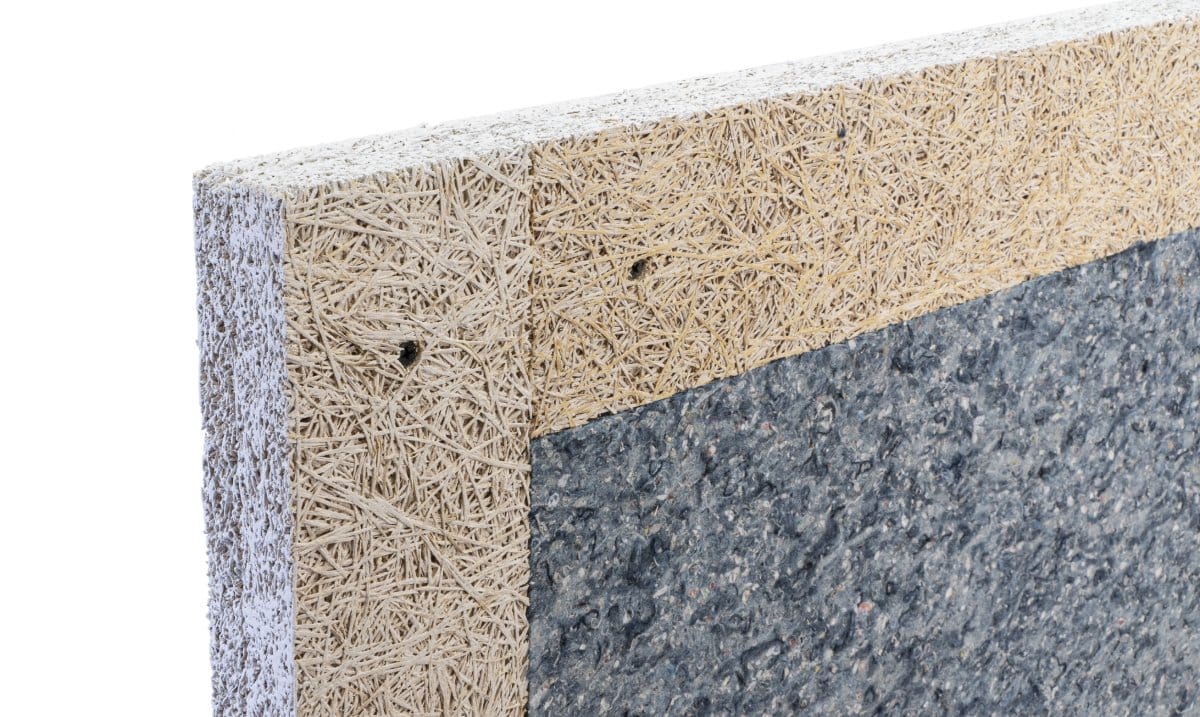
MLV vs Barrier Board Systems
Barrier board systems are often easier to integrate during new construction because they become part of the wall assembly from the beginning.
MLV can be more useful in retrofit situations where access to framing is available and additional thickness must be minimized.
Neither approach automatically replaces the other. The right choice depends on the assembly, budget, available space, and performance goals.
When Should You Use MLV?
MLV makes the most sense when the primary objective is reducing airborne sound transmission between spaces. In most cases, soundproofing with MLV is most effective when combined with sealing, added mass, and decoupling rather than used by itself.
Good applications include situations where you want to:
- Stop noise from neighbors
- Reduce TV noise through walls
- Block sound between rooms
- Improve office privacy
- Upgrade existing acoustic wall systems
- Improve STC performance
- Supplement existing wall assemblies
It can also be valuable when wall thickness is limited and adding multiple layers of conventional materials is not practical. While there is no single best soundproofing material for walls in every situation, MLV is often part of high-performing wall assemblies where space is limited.
That said, MLV performs best when it is part of a layered strategy. In most successful projects, the material works alongside:
- Additional drywall layers
- Acoustic sealants
- Decoupling systems
- Other soundproofing insulation components
This system-based approach is why MLV continues to be included in many lists of professional wall soundproofing products and assemblies.
Read More: The Value of Acoustically Treating a Room
When MLV Isn’t Enough
Even effective materials have limits.
Low-frequency noise, especially bass-heavy music, drums, or mechanical equipment often requires additional isolation measures. Adding mass alone rarely solves the entire problem.
Many projects that struggle with sound transmission are actually dealing with multiple issues simultaneously:
- Airborne sound transmission
- Structural vibration
- Flanking noise paths
- Inadequate sealing
That is why professional soundproofing assemblies frequently combine MLV with:
- Resilient channels or clips
- Acoustic sealants
- Sound-rated doors
- Window inserts
- Additional layers of mass
How to Install Mass Loaded Vinyl
MLV installation is straightforward when the fundamentals are followed.
The material is typically attached directly to wall studs or ceiling framing before drywall is installed. The goal is to create a continuous barrier with as few gaps as possible.
A few guidelines matter more than anything else:
- Seal all seams and penetrations
- Overlap joints where appropriate
- Eliminate gaps around the edges
- Cover the material with drywall or another finish surface
- Integrate it into a complete assembly rather than relying on it alone.
Most installation mistakes come down to sealing. Even small openings can compromise overall performance.
Pros and Cons of MLV
Like any product, MLV has strengths and limitations.
Pros
- High density in a relatively thin profile
- Effective airborne noise reduction
- Useful in space-constrained assemblies
- Can support broader mass loaded vinyl soundproofing strategies
Cons
- Heavy and sometimes difficult to DIY install
- Not effective against impact noise
- Requires proper detailing and sealing
- Works best as part of a system rather than as a standalone solution
Acoustical Surfaces Carries MLV and More
Mass loaded vinyl remains one of the most widely used tools for reducing airborne sound transmission, but it works best when it is viewed as one layer in a complete sound-control strategy.
The most successful projects combine mass, sealing, and isolation to address the actual path the sound is taking. That is true whether the goal is improving privacy, upgrading soundproofing materials for homes, creating a more effective noise barrier for walls, or evaluating alternatives to mass loaded vinyl for a specific application.
For anyone asking “what is MLV,” the answer is ultimately straightforward: it is a high-density, flexible acoustic barrier designed to reduce airborne sound transmission. If you’re evaluating soundproofing options for a specific project, a consultation with the Acoustical Surfaces team can help identify the right products, assemblies, and strategies for your performance goals.