

 Acoustical Ceiling Tiles
Speech Privacy in Office Design: How to Control Conversations Without Killing Collaboration
Modern offices are designed to accommodate a combination of teamwork, focused work, hybrid meetings, and confidential discussions, often within the same floor plan. Without thoughtful planning, conversations can easily carry beyond their intended audience, creating distractions, exposing sensitive information, and reducing employee comfort. Speech privacy is the ability to keep conversations from being clearly understood outside their intended area. Creating speech privacy means controlling how speech travels through a space so collaboration and confidentiality can exist side by side.
What Is Speech Privacy?
Speech privacy is achieved when conversations cannot be clearly understood outside the area where they are taking place. Someone nearby may still recognize that people are talking, but the words themselves become difficult to distinguish. Acousticians refer to this as speech intelligibility rather than overall loudness. A room does not have to be silent to provide privacy, nor does every conversation require complete confidentiality. The level of speech privacy should match how the space will be used, whether that’s for casual collaboration, routine meetings, or sensitive discussions.

Why Speech Privacy Matters in Office Design
Poor office speech privacy affects more than confidential conversations. When employees think discussions will be overheard, they may hesitate to ask questions, share feedback, discuss sensitive topics, or speak candidly during meetings. It can also create distractions for nearby coworkers, making it harder to concentrate when conversations become background noise.
The need for workplace speech privacy varies by space. An open collaboration area has different expectations than an HR office, executive suite, healthcare consultation room, or meeting space used for client calls. Designing each area for its intended level of privacy helps organizations protect sensitive information while improving office acoustic privacy throughout the workplace.
Speech Privacy vs Soundproofing and Sound Masking
Speech privacy is the outcome. Sound isolation, sound absorption, and sound masking are different tools that contribute to it.
Sound isolation, or soundproofing, limits speech from passing between rooms by controlling transmission through walls, doors, ceilings, floors, and other building assemblies. It forms the foundation of speech privacy.
Sound absorption reduces reflected sound within a room, improving speech clarity for occupants and reducing reverberation. While that can make a space more comfortable, it does not prevent conversations from traveling into adjacent areas.
Sound masking introduces a carefully engineered background sound that makes speech less intelligible over distance. It can improve privacy in open workspaces and shared environments, but it cannot replace the sound isolation needed for areas where confidential conversations take place.
Where Speech Privacy Problems Happen
Common office soundproofing challenges can occur anywhere conversations extend beyond the people they are intended to reach. Open offices and enclosed rooms present different challenges. In open work areas, conversations become distractions. In enclosed rooms, the priority is to keep conversations from being understood outside the space.
Areas where confidential conversations are expected require a different acoustic strategy than those intended for collaboration or informal discussion.
How Office Layout Affects Speech Privacy
Good office design acoustics begin long before walls are built or finishes are selected. The location of a room within the floor plan can have a significant impact on how easily conversations travel throughout the workplace.
Spaces used for confidential discussions should be separated from open work areas whenever possible. Corridors, storage rooms, and other buffer areas can help increase the distance between sensitive conversations and everyday office activity. Rooms that require speech privacy should not share open ceiling plenums or other air paths with surrounding spaces, as sound can bypass otherwise well-designed room assemblies.
Good planning makes every construction detail more effective.
How Walls, Ceilings, Doors, and Partitions Support Privacy
Speech privacy depends on the performance of the room assembly. The performance of a complete room assembly is commonly measured using a Sound Transmission Class (STC) rating.
Walls, ceilings, doors, windows, and other building components must work together to limit sound transmission between spaces. Even a high-performing wall can be undermined if flanking paths allow speech to pass around it.
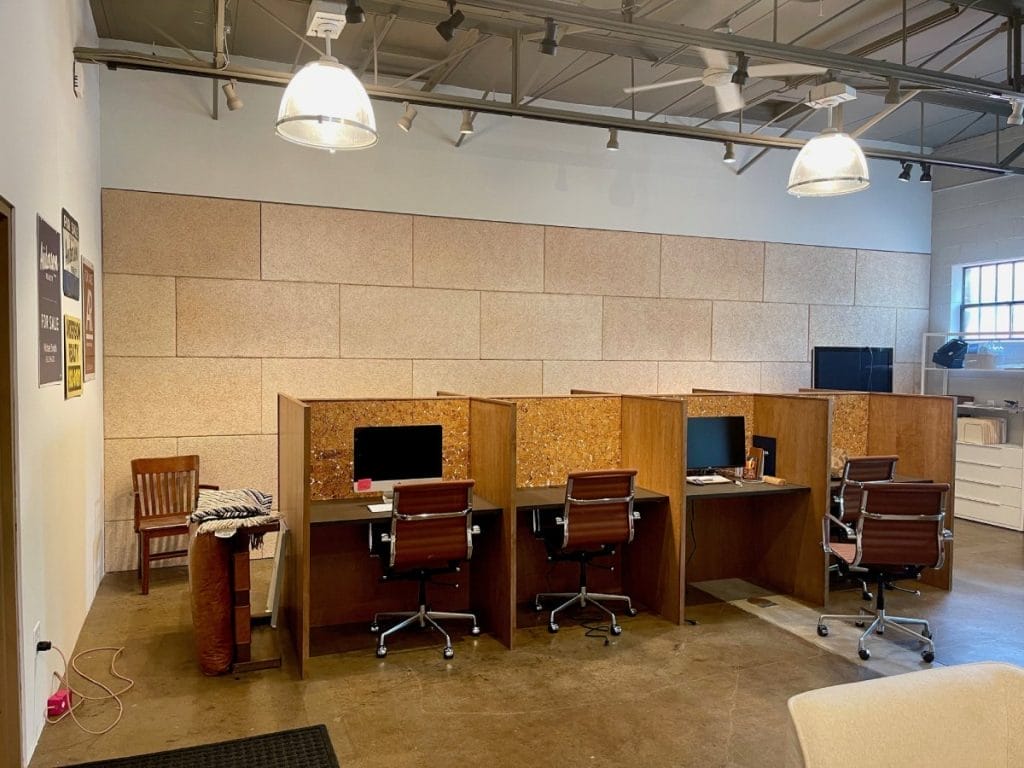
People often think acoustic wall and ceiling treatments are soundproofing products. They are not. They reduce reflected sound inside the room, improving speech clarity and occupant comfort. They don’t keep conversations from escaping the space. For confidential rooms, speech privacy depends on a complete room assembly, not a single product.
Watch for Weak Sound Paths
Speech rarely travels through the wall itself. Door undercuts, gaps around frames, ceiling plenums, ductwork, pipe penetrations, recessed fixtures, and incomplete partitions can all create flanking paths that reduce speech privacy. Identifying and addressing these weak points is often just as important as selecting the primary wall or door assembly.
How Sound Masking Helps Speech Privacy
Sound masking for offices improves speech privacy by introducing a consistent, unobtrusive background sound that makes conversations less intelligible as they travel through a space. It doesn’t block speech. It simply makes conversations harder to understand.
Sound masking works well in open offices and other shared environments where enclosed rooms aren’t practical for every conversation. When combined with thoughtful space planning, it can reduce speech distraction and make conversations less noticeable without creating an environment that feels noisy or disruptive.
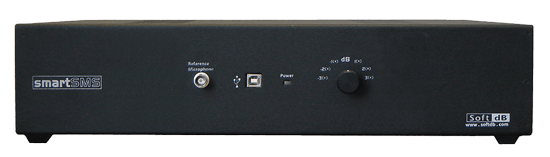
Smart Sound Masking System
Sound Masking Is Not a Substitute for Isolation
While sound masking can improve workplace speech privacy, it cannot compensate for inadequate room construction. Spaces used for confidential conversations still require complete, well-sealed room assemblies that prevent speech from leaving the room. If a room isn’t built to contain speech, sound masking won’t fix the problem.
Speech Privacy in Open Offices
Open office acoustics should encourage collaboration without allowing conversations to travel across the workplace. Because these environments share the same air space, they cannot provide true speech privacy on their own.
Open offices can reduce speech distraction, but confidential conversations still need enclosed spaces. Phone rooms, focus rooms, private offices, and enclosed meeting rooms are realistic acoustic solutions that give employees a place to talk without being overheard, while sound masking reduces distraction throughout the surrounding workspace.
Speech Privacy in Meeting Rooms and Private Offices
Meeting room privacy and private office acoustics become essential when conversations aren’t meant to be overheard.
That starts with the room itself. Walls, doors, windows, ceilings, and HVAC systems all need to work together to limit sound transfer. When gaps are left around a door, ductwork is routed through a shared ceiling plenum, or other flanking paths are overlooked, conversations can be heard well beyond the room. When confidentiality matters, every part of the assembly matters because speech will follow the easiest path out.
Materials and Design Strategies That Support Acoustic Privacy
Many products contribute to office noise reduction, but they don’t all serve the same purpose. The right acoustic treatment for offices improves conditions inside the room, while sound-blocking construction limits what can be heard outside it.
Acoustic wall panels, ceiling systems, and other absorptive finishes reduce reflections inside a room, making conversations easier to hear for the people in it. They don’t keep speech from passing into adjacent spaces.
Blocking sound requires construction details that limit sound transmission. Door seals, sound-rated interior doors, properly detailed wall assemblies with mass loaded vinyl sound barriers, and similar components help contain conversations where privacy is required. Each serves a different purpose, and confusing one for the other often leads to disappointing results.
Coordinate Speech Privacy With Building Systems
Speech privacy can be lost if ceilings, lighting, HVAC, sprinklers, speakers, or access panels aren’t coordinated at the same time as the room’s acoustic design. A small change above the ceiling or a new penetration through a wall may create a path for speech that wasn’t there before.
Coordinating these systems helps preserve the performance of the room while supporting broader workplace noise control throughout the office.
Speech Privacy Design Checklist
Before a project moves into construction, confirm that the design addresses the elements that have the greatest impact on speech privacy.
- Determine which spaces require confidential conversations.
- Separate private rooms from open work areas whenever possible.
- Eliminate shared air paths that allow speech to bypass room assemblies.
- Coordinate walls, ceilings, doors, windows, and HVAC systems.
- Seal gaps and other flanking paths before occupancy.
- Use sound masking where it fits the space, not as a substitute for sound isolation.
- Verify that completed rooms perform as intended before they are put into regular use.

How Acoustical Surfaces Supports Speech Privacy in Office Design
Creating speech privacy takes more than selecting the right products. It requires thoughtful planning, effective room construction, and acoustic solutions chosen for the way each space will be used. Acoustical Surfaces offers the sound control solutions that help architects and designers create workplaces that balance collaboration, comfort, and confidentiality.
Whether you’re updating an existing office or designing a new workspace, contact our team for help selecting solutions that fit your performance goals and project requirements.
Balance Collaboration With Acoustic Privacy
Good acoustic office design gives employees spaces where they can collaborate freely and others where conversations stay private. Every space doesn’t need the same level of speech privacy, and each should be designed accordingly. When office layout, room construction, and acoustic planning work together, employees can collaborate freely while keeping sensitive conversations where they belong.
FAQ
What is speech privacy?
Speech privacy is the ability to keep conversations from being clearly understood outside their intended listening area. People may hear voices, but they cannot easily understand what is being said.
Why is speech privacy important in offices?
Speech privacy protects confidential conversations, reduces speech distraction, and creates a more comfortable work environment for employees and visitors.
How can office design improve speech privacy?
Office design improves speech privacy by separating confidential spaces, limiting sound transmission, controlling flanking paths, and using sound masking where appropriate.
Is speech privacy the same as soundproofing?
No. Speech privacy is the desired outcome, while soundproofing describes methods used to limit sound transmission between spaces.
What is the difference between absorption and sound isolation?
Sound absorption reduces reflections within a room. Sound isolation limits sound from passing into adjacent spaces.
How does sound masking improve office privacy?
Sound masking adds a consistent background sound that reduces speech intelligibility over distance, making conversations harder to understand.
Can acoustic treatments improve speech privacy?
Acoustic treatments improve sound quality inside a room but do not provide speech privacy by themselves.
What materials support acoustic privacy?
Materials like acoustic panels improve room acoustics, while door seals, sound-rated doors, and properly constructed wall assemblies help contain speech.
Why do open offices struggle with speech privacy?
Open offices share the same air space, allowing conversations to travel freely. Enclosed rooms are needed when conversations must remain confidential.
How can meeting rooms protect confidential conversations?
Confidential meeting rooms protect speech privacy with complete room assemblies, sealed doors, coordinated ceilings and HVAC, and attention to flanking paths.
Do acoustic ceilings improve speech privacy?
Acoustic ceilings reduce reflected sound inside a room, but they do not create speech privacy without proper sound isolation.
Can glass meeting rooms provide speech privacy?
Yes, if the soundproof glass windows, framing, seals, and surrounding wall assembly are designed to limit sound transmission.
How do doors and seals affect office privacy?
Doors and perimeter seals reduce sound leakage through gaps, helping keep conversations inside the room.
How should confidential rooms be located?
Place confidential rooms away from open work areas and avoid shared air paths that allow speech to travel between spaces.
How can speech privacy be tested?
Speech privacy can be evaluated by measuring speech intelligibility and verifying that conversations cannot be clearly understood outside the intended space.