

 Acoustical Ceiling Tiles
Real Estate Soundproofing: How Soundproofing Can Increase Property Value and Tenant Satisfaction
In real estate, noise is rarely just a comfort issue. It shows up in lease renewals, complaint volume, online reviews, and the way a building feels to prospective tenants during a tour. That’s why real estate soundproofing belongs in the same conversation as finishes, amenities, and capital improvements. For owners, developers, and property managers, real estate soundproofing can help protect tenant satisfaction, reduce churn, and support stronger property value over time.
It’s also important to set expectations early: the solutions discussed in this article are designed for property owners, developers, and property managers – not individual renters. Effective soundproofing typically involves changes to wall assemblies, floor systems, ceilings, or building infrastructure. These are not surface-level fixes or temporary add-ons. They require access to construction layers, coordination during renovation, or integration during design. For landlords and asset managers, that’s exactly where the opportunity lies – making targeted improvements that meaningfully reduce noise and improve building performance over time.
The best sound control strategies do more than quiet a single room. They improve rental property acoustics across apartments, mixed-use buildings, and shared amenity areas, making the entire property feel more durable and better maintained. In a market where residents compare everything from lobby design to hallway noise, acoustics can be the difference between a property that rents and one that residents actively want to stay in.
Why Noise Control Matters in Real Estate
Noise problems affect the way residents judge a building long before they think about specifications. A property with frequent footsteps overhead, hallway echo, or traffic intrusion can feel poorly built even when the visible finishes are attractive. That perception matters because renters do not separate acoustics from quality – they experience the whole property as one package.
In practice, this shows up during tours and early occupancy. Prospective tenants may not be able to identify exactly why a unit feels uncomfortable, but they will notice if conversations carry from the hallway or if outside noise is constant. Those impressions often influence leasing decisions before finishes or amenities have a chance to influence the decision. Over time, consistent noise exposure also changes how residents use their space – avoiding certain rooms, adjusting schedules, or becoming more sensitive to neighbors. These behavioral shifts are subtle, but they directly affect how people evaluate whether a property is worth staying in.
For owners and property managers, tenant noise reduction is not just a courtesy feature. It is part of property management noise control, and it directly affects operations. Fewer complaints mean fewer staff interruptions, fewer escalations between neighbors, and less time spent resolving conflicts. Quieter buildings also tend to support better online reviews, stronger renewals, and more confidence during tours.
There is also a long-term investment angle. A building that performs well acoustically today is better positioned to compete tomorrow, especially in neighborhoods where traffic, emergency vehicles, restaurants, and nightlife have increased over time. As cities grow louder, real estate acoustic upgrades help preserve the original appeal of a property and reduce the risk that noise becomes a drag on rent growth or resale value.

The Link Between Soundproofing, Tenant Satisfaction, and Property Value
Quiet living spaces influence both daily experience and market perception. When residents feel they have privacy, they are more likely to stay. When prospects tour a unit and notice calm, they are more likely to associate the property with higher quality construction.
That is why multifamily soundproofing carries value well beyond the build phase. It supports retention, reduces complaints, and improves how easily a property can be marketed in competitive areas. In high-density environments, acoustics often become a signal for overall building quality.
How Noise Complaints Affect Occupancy and Renewals
Noise complaints tend to follow predictable patterns: footsteps from above, voices through shared walls, slamming doors, music from neighboring units, hallway noise, barking dogs, street traffic, plumbing noise, and HVAC vibration. Individually, these may seem manageable. Over time, they create friction.
From an operational standpoint, this friction leads to turnover. Residents who cannot relax in their own units are far more likely to leave at renewal. Stronger tenant satisfaction and noise performance help stabilize occupancy and reduce the churn tied to ongoing neighbor conflicts.
Why Acoustics Influence Perceived Quality
Quiet spaces feel more solid. Residents and buyers often associate sound isolation with better construction, even when finishes are similar. A unit that blocks sound effectively feels more private, more comfortable, and more refined.
This is where property value soundproofing becomes tangible. Acoustics influence not just the resident experience, but also how a property is evaluated during sale, repositioning, or appraisal.
Common Noise Problems in Residential and Mixed-Use Properties
Most noise falls into three categories. Identifying which one you are dealing with is the first step toward solving it correctly.
Airborne Noise
Airborne noise includes voices, televisions, music, barking dogs, and traffic. It travels through walls, ceilings, doors, and windows – often through small gaps or lightweight materials that allow sound waves to pass with minimal resistance – and is one of the main reasons owners invest in shared wall soundproofing.
Impact Noise
Impact noise comes from footsteps, dropped objects, and furniture movement. In multifamily and mixed-use buildings, this is often the most disruptive category because it travels through the structure itself. Floor impact noise reduction is especially important in stacked living environments.
Mechanical and Structural Noise
Mechanical noise includes HVAC systems, plumbing, elevators, and rooftop equipment. These sounds often travel as vibration through the building structure, meaning the source and the complaint location are not always the same.

Where Real Estate Soundproofing Delivers the Biggest Return
Not every upgrade delivers the same return. The most effective real estate soundproofing strategies focus on the locations where sound transmission is most noticeable to residents and where improvements are easiest to perceive immediately. In most properties, that means prioritizing separation between units first, then addressing vertical noise paths, followed by openings and exterior exposure.
Shared Walls Between Units
Shared walls are one of the most common failure points. When conversations or TVs carry between units, privacy drops quickly. Effective shared wall soundproofing relies on adding mass, improving isolation, and sealing air gaps. These assemblies work together – improving just one element without addressing the others usually limits the overall result.
Products like mass loaded vinyl for walls and resilient sound isolation clips help improve wall performance by increasing density and reducing direct vibration paths. For retrofit scenarios, Green Glue is often the most practical solution when full wall reconstruction is not feasible.
Floor and Ceiling Assemblies
Impact noise issues almost always point to the floor/ceiling assembly. In these cases, soundproof flooring underlayment can significantly reduce sound transfer, especially in units with hard surface flooring.
For stronger results, decoupled ceiling systems and layered assemblies help address floor impact noise reduction more effectively than surface-level fixes alone. This is especially important in buildings where hard surface flooring has replaced carpet, increasing the amount of impact energy transferred between floors.
Doors and Entry Points
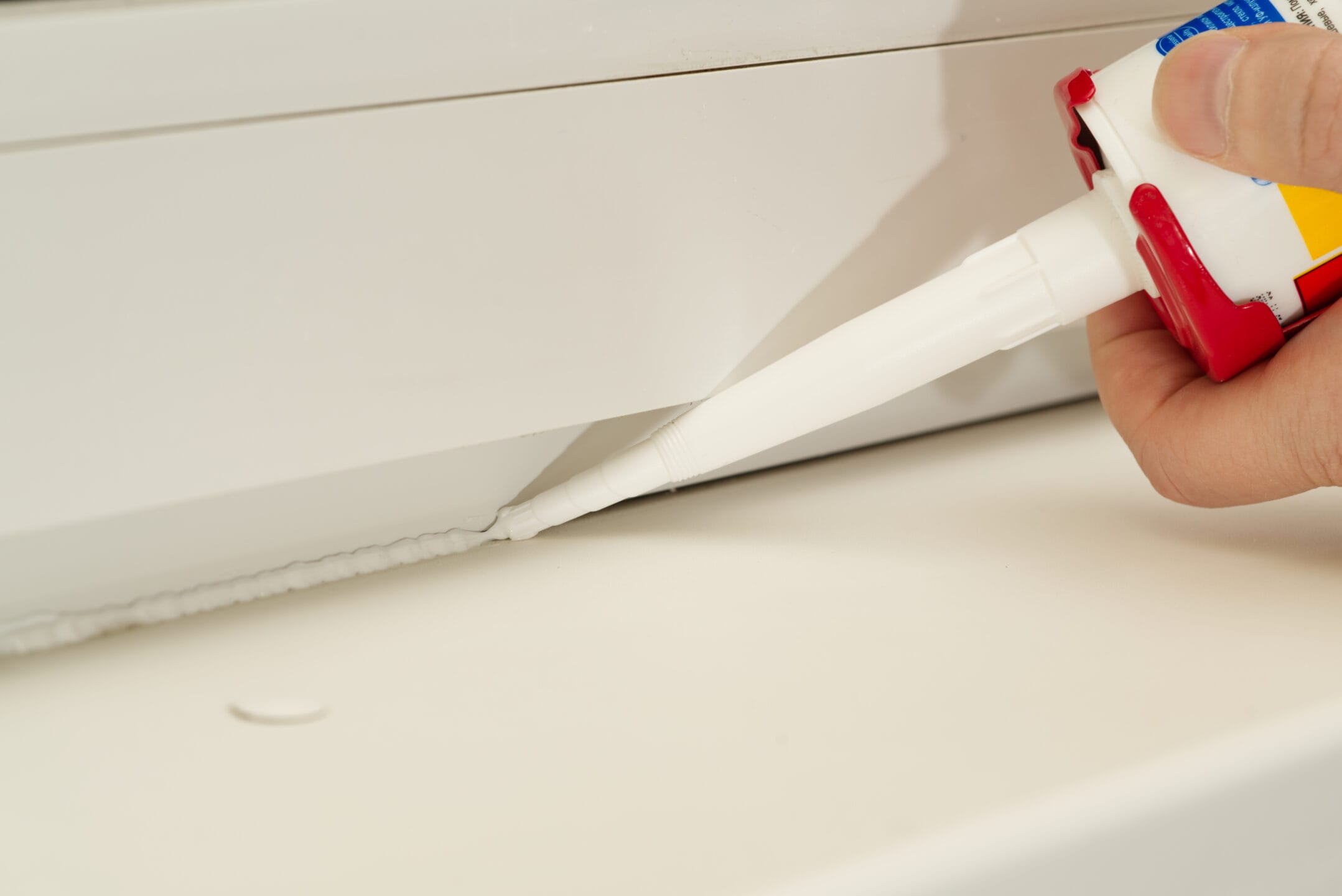
Even high-performing walls can fail if doors are not sealed properly. Small gaps allow sound to pass freely, reducing overall effectiveness. Soundproof door seals are a simple but high-impact upgrade for interior doors.
A practical rule: if you can see light around a door, sound is getting through. Because sound moves through air, even small openings can significantly reduce the effectiveness of an otherwise well-built wall. These seals are designed for interior applications only. Exterior doors should use standard weatherstripping.
Windows and Exterior-Facing Units
Exterior noise becomes more significant over time as neighborhoods evolve. Traffic increases, new businesses open, and service activity expands. This is especially relevant for soundproofing for mixed-use buildings.
Improving window performance and sealing helps reduce neighbor noise from outside sources. For retrofit solutions, Climate Seal window inserts are incredibly effective and easy to install. This becomes more noticeable at night when background noise drops and exterior sounds stand out more clearly inside the unit.
Best Soundproofing Products for Real Estate Applications
Effective solutions depend on where the noise originates and how the building is constructed. The most successful strategies combine multiple approaches rather than relying on a single product.
For Walls and Ceilings
Mass and isolation are the priorities. Products like mass-loaded vinyl, isolation clips, and damping compounds improve performance across partitions and ceiling systems. Green Glue remains one of the most effective retrofit options and a strong choice for real estate acoustic upgrades when walls cannot be fully rebuilt.
For Floors and Impact Noise
Underlayments play a major role in managing impact sound. In many properties, soundproof flooring underlayment offers one of the best returns for improving resident comfort without major structural changes.
For Doors, Openings, and Weak Points
Sealing gaps is often the most overlooked improvement. Door perimeters, penetrations, and small openings can undermine larger investments. Addressing these areas supports meaningful tenant noise reduction without extensive construction.
For Amenity Spaces, Lobbies, and Noisy Common Areas
Some issues are not about sound transfer – they are about echo. Leasing offices, gyms, and shared spaces benefit from absorptive materials that improve clarity and reduce harsh reverberation. This improves usability and overall experience without altering structural assemblies.
For Exterior and Mechanical Noise
Mechanical systems should be isolated using rubber or spring mounts to prevent vibration from entering the structure. Exterior mechanical noise sources can be managed with barrier curtains like BBC-EXT-R2 or by lining equipment enclosures with absorptive materials designed for outdoor use.

Soundproofing Versus Acoustic Treatment in Property Management
This distinction matters. Soundproofing blocks sound between spaces. Acoustic treatment improves how sound behaves within a space. Confusing these two approaches is one of the most common reasons noise-control projects fail to meet expectations.
A hallway that feels loud may need absorption. A wall between units needs isolation. Understanding this difference helps property teams invest correctly and avoid solutions that look effective but do not solve the real issue.
How Developers and Property Managers Can Prioritize Upgrades
The most practical approach is to start with complaints, identify the noise type, and apply the correct solution based on how the building performs.
One common mistake is trying to solve every noise issue with a single product or approach. In reality, sound behaves differently depending on how it travels. Airborne noise requires absorption, mass, and sealing. Impact noise requires isolation and cushioning. Mechanical noise requires vibration control. Treating all three the same way usually leads to underwhelming results and wasted budget. A more disciplined approach – matching the solution to the sound path – produces better outcomes with fewer unnecessary upgrades.
Upgrades for New Construction
New construction allows sound control to be built into the design. Wall assemblies, floor systems, ceiling isolation, and equipment placement can all be optimized early. This is where soundproofing for landlords becomes a strategic advantage rather than a reactive fix.
Upgrades for Renovations and Repositioning
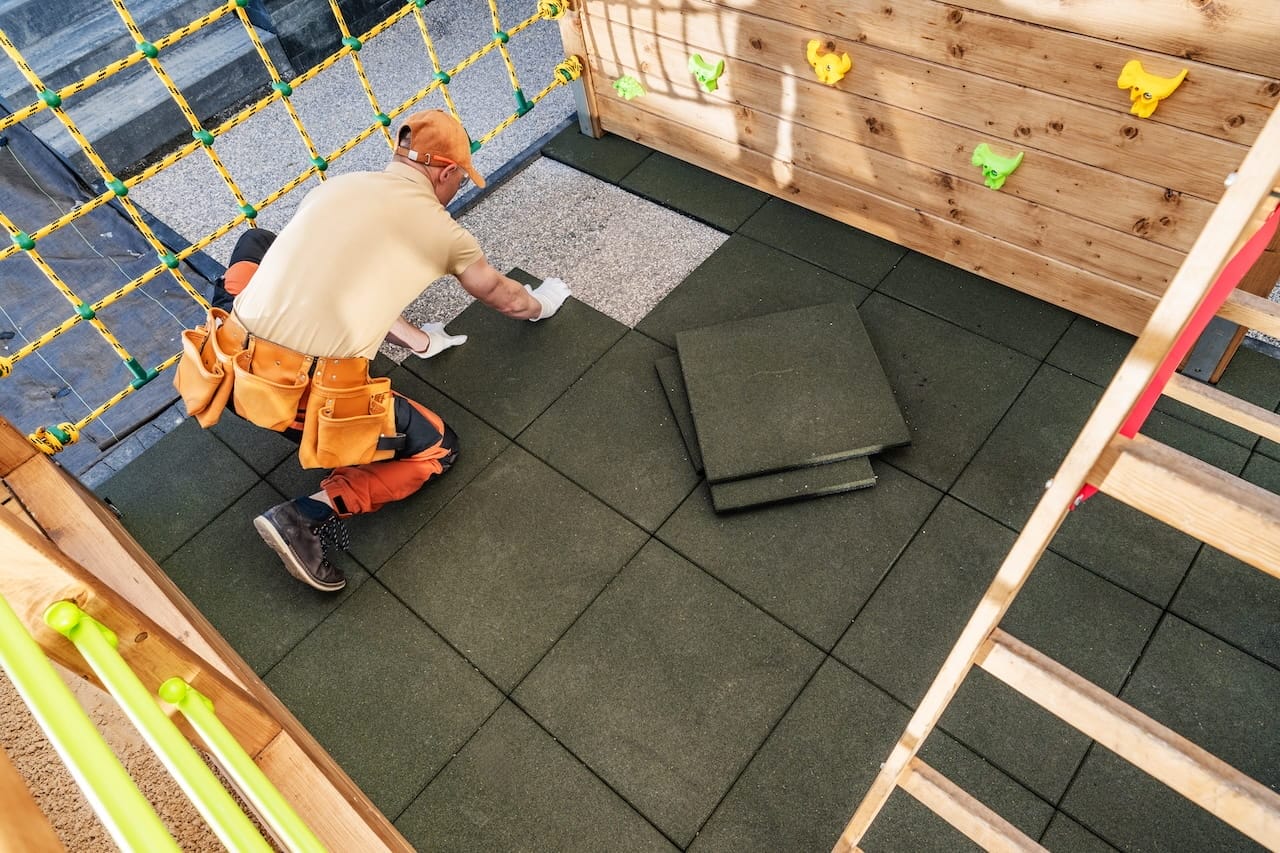
Retrofit projects should focus on high-impact improvements with minimal disruption. Door seals, underlayments, targeted wall upgrades, and window solutions are often the most effective ways to improve rental property acoustics in existing buildings.
How Soundproofing Supports Leasing, Branding, and Long-Term Asset Value
Quieter buildings are easier to lease and easier to market. They reduce friction between residents and give leasing teams a stronger value story beyond finishes and amenities.
This applies across asset types. Multifamily properties benefit from reduced neighbor conflict. Mixed-use developments benefit from better separation between residential and commercial activity. Senior living and condos benefit from improved privacy and comfort.
Soundproofing also protects against future change. As neighborhoods become busier, properties with stronger acoustical performance are better positioned to maintain appeal and pricing.
Why Real Estate Soundproofing is a Smart Investment
Acoustics influence how a property feels, how it performs, and how it is valued. The right improvements can increase privacy, reduce complaints, and support long-term retention without relying on constant operational fixes. That is the advantage of real estate soundproofing – it improves both resident experience and asset performance at the same time.
For developers, landlords, and property managers, investing in sound control is a practical way to reduce neighbor noise, strengthen tenant satisfaction, and position a building more competitively in the market. Acoustical Surfaces offers solutions for walls, floors, ceilings, doors, and targeted noise-control areas, helping turn acoustical challenges into long-term property value gains.